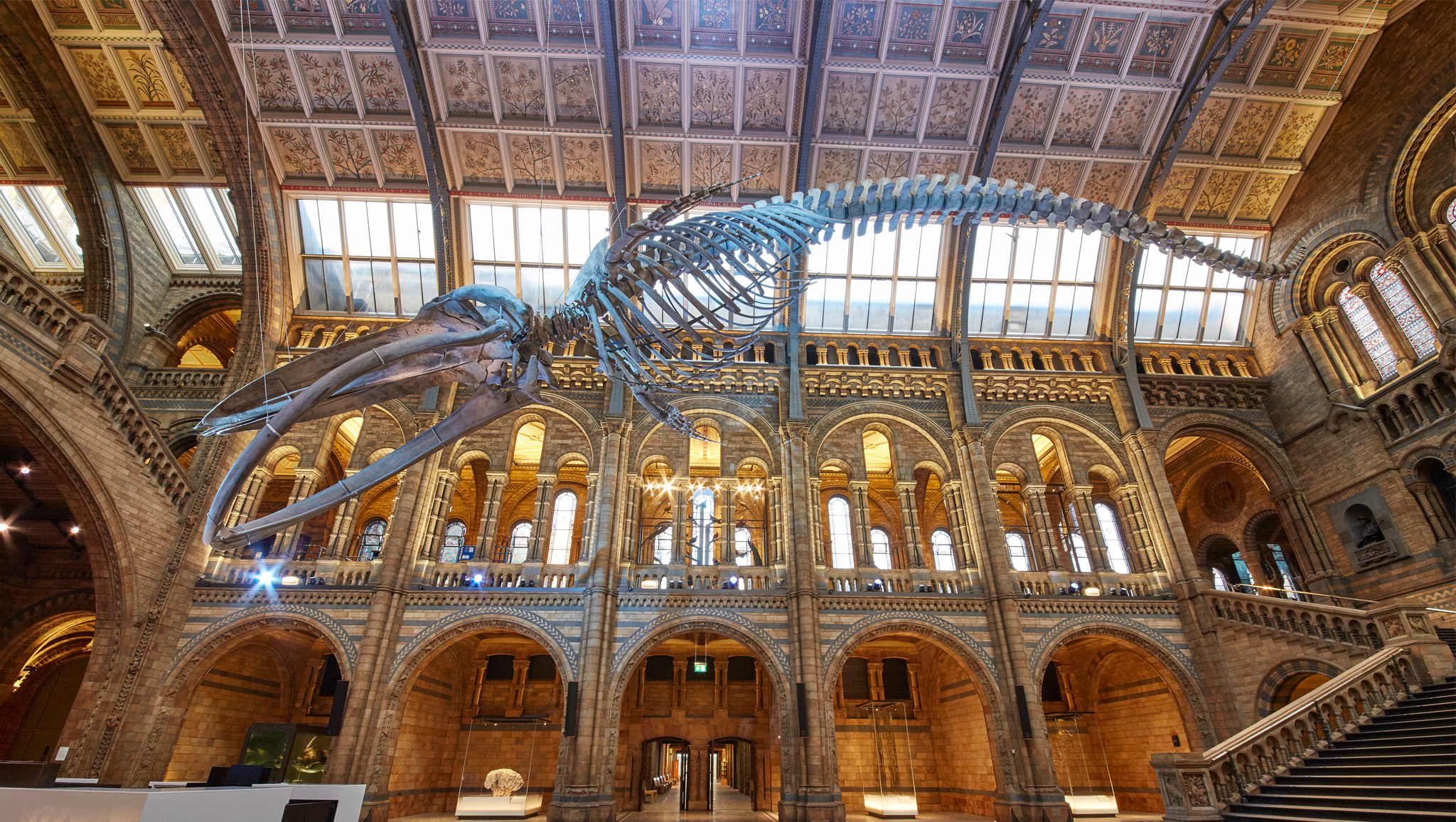
wherearewegoing.net – The Natural History Museum in London, United Kingdom, is a world-renowned institution that invites visitors to explore the rich tapestry of life on Earth. Known for its stunning architecture and vast collections, the museum offers an engaging experience that blends education with entertainment.
A Glimpse into the Museum’s History
Established in 1881, the Natural History Museum was initially part of the British Museum before becoming a separate entity. Its iconic building, designed by Alfred Waterhouse, is a masterpiece of Romanesque architecture, featuring intricate terracotta facades that reflect the natural world. Over the years, the museum has expanded its collections and exhibits, becoming a leader in scientific research and conservation.
Exploring the Museum’s Fascinating Exhibits
The Natural History Museum houses over 80 million specimens, ranging from ancient fossils to contemporary biodiversity. Here are some of the must-see exhibits:
1. The Dinosaurs Gallery
One of the most popular attractions, the Dinosaurs Gallery, features an impressive array of fossilized skeletons and models, including the famous Diplodocus cast, affectionately known as “Dippy,” and a striking animatronic Tyrannosaurus rex that thrills visitors of all ages.
2. The Hintze Hall
Upon entering the museum, visitors are greeted by the awe-inspiring sight of the Hintze Hall, where the enormous blue whale skeleton, named “Hope,” is suspended from the ceiling. This majestic display highlights the museum’s commitment to marine conservation and the wonders of the natural world.
3. The Earth Hall
Dedicated to the planet’s geological history, the Earth Hall features an array of minerals, rocks, and gemstones. Visitors can explore the dynamic forces that shape our planet, from volcanic eruptions to tectonic shifts.
4. The Darwin Centre
Home to millions of plant and animal specimens, the Darwin Centre offers a behind-the-scenes look at the museum’s scientific research. Interactive exhibits and multimedia presentations provide insight into the latest discoveries and the importance of biodiversity.
Tips for Visiting the Natural History Museum
To enhance your visit to the Natural History Museum, consider these helpful tips:
- Plan Your Visit: Check the museum’s website for information on temporary exhibitions and events. Entry is free, but some special exhibitions may require tickets.
- Explore the Gardens: The museum’s Wildlife Garden, open from April to November, is a peaceful oasis showcasing native plants and habitats.
- Engage with Interactive Displays: Many exhibits feature interactive elements that encourage hands-on learning, making them perfect for families and curious minds.
- Take a Guided Tour: Consider joining a guided tour to gain deeper insights into the museum’s collections and history.
Conclusion
The Natural History Museum in London is more than just a repository of specimens; it is a celebration of the natural world and the scientific endeavors that seek to understand it. Whether you’re fascinated by dinosaurs, intrigued by the Earth’s geological wonders, or inspired by the beauty of biodiversity, the museum offers a captivating experience that resonates with visitors of all ages.