
Wheel of Fortune: The Iconic Game Show

wherearewegoing.net – “Wheel of Fortune” is an American television game show that has been a staple in American households since its debut in 1975. Created by Merv Griffin, the show has become an iconic part of television history, with its simple yet engaging format that combines word puzzles with a game of chance. Over the years, “Wheel of Fortune” has not only entertained millions but has also become a cultural phenomenon, influencing other game shows and even language use in the United States.

The Format of the Game

The game is played by three contestants who solve word puzzles to win cash and prizes. The puzzles are typically phrases, names of people, places, or things, and are revealed one letter at a time. Contestants take turns spinning the eponymous wheel, which is divided into segments that indicate dollar amounts or special spaces. Landing on a dollar amount allows the contestant to guess a letter, and if the letter is in the puzzle, they win the amount of money for each occurrence of that letter. Special spaces can offer additional prizes, extra spins, or penalties such as losing a turn or a bankruptcy, which wipes out the contestant’s winnings for that round.

The Hosts and Their Impact

“Wheel of Fortune” has been hosted by several personalities over the years, but the most iconic duo is Pat Sajak and Vanna White. Sajak, the host, guides the contestants through the game, while White, the co-host, reveals the letters on the puzzle board. Their chemistry and longevity on the show have made them household names, and they have become synonymous with the “Wheel of Fortune” brand.

The Show’s Cultural Impact

“Wheel of Fortune” has had a significant impact on American culture. The show’s catchphrases, such as “Buy a vowel” and “I’d like to solve the puzzle,” have entered the lexicon. The show has also influenced language use, with some speculating that the show’s format has led to an increase in the use of phrases that are common in the puzzles. Additionally, “Wheel of Fortune” has been parodied in various forms of media, from television shows to internet memes, further cementing its place in popular culture.

Charitable Efforts

In addition to its entertainment value, “Wheel of Fortune” has also been involved in charitable efforts. The show has raised money for various causes, including literacy programs and disaster relief efforts. These initiatives have not only helped those in need but have also reinforced the show’s positive image in the public eye.

Conclusion

“Wheel of Fortune” is more than just a game show; it’s a cultural institution. With its engaging format, iconic hosts, and charitable efforts, the show has left an indelible mark on American television. As it continues to entertain new generations, “Wheel of Fortune” remains a testament to the enduring appeal of classic game shows and their ability to bring people together.
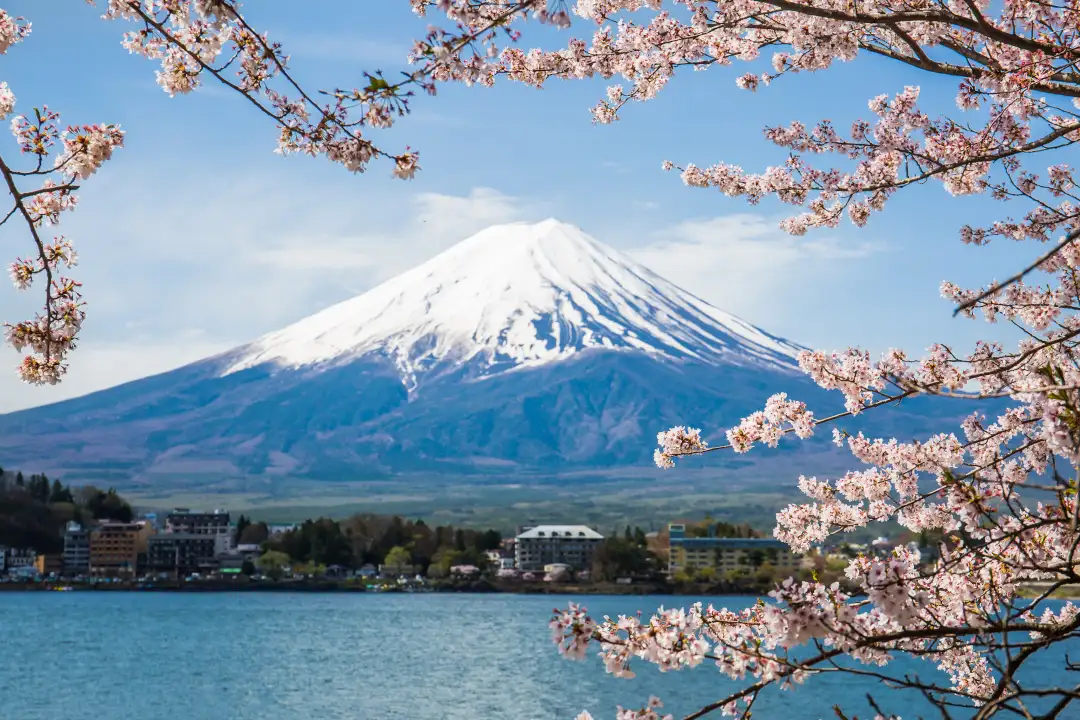
Japan’s Iconic Volcanic Wonder: Mount Fuji

wherearewegoing.net – Towering majestically over the landscape, Mount Fuji stands as a symbol of Japan’s natural beauty and cultural heritage. This iconic stratovolcano, with its near-perfect cone shape, has captivated the hearts and imaginations of people around the world. Known in Japan as “Fuji-san,” it is the country’s highest mountain, reaching an impressive height of 3,776 meters (12,389 feet) above sea level. Mount Fuji is not only a natural wonder but also a deeply revered site that has inspired countless artists, poets, and adventurers.

Geological Marvel

Mount Fuji is more than just a picturesque mountain; it is an active volcano that has shaped the surrounding region through its geological activity. The volcano last erupted in the early 18th century, and while it has been dormant since, it remains an object of study and monitoring by volcanologists. Its formation is a result of the movement of tectonic plates beneath the Earth’s surface, where the Philippine Sea Plate is being subducted beneath the Amurian Plate. This process has led to the creation of the Japanese archipelago and its many volcanoes, including the majestic Mount Fuji.

Cultural Significance

Throughout history, Mount Fuji has played a significant role in Japanese culture and religion. It is considered a sacred mountain, and for centuries, people have climbed it as a form of pilgrimage. The mountain has been worshipped as a deity itself and is the focus of various Shinto and Buddhist rituals. The iconic image of Mount Fuji has been a recurring theme in Japanese art, most famously depicted by the ukiyo-e artist Katsushika Hokusai in his series “Thirty-Six Views of Mount Fuji.”

Climbing Mount Fuji

Every year, thousands of people from all over the world attempt to climb Mount Fuji. The climbing season is relatively short, typically from early July to mid-September. There are four main trails leading to the summit, each offering its own unique experience and views. The climb can be challenging, especially for those not accustomed to high altitudes, but the reward of witnessing the sunrise from the summit is an unforgettable experience.

Environmental Conservation

As a symbol of national pride and a UNESCO World Heritage Site, Mount Fuji is subject to various conservation efforts. The area around the mountain, known as the Fuji Hakone Izu National Park, is protected to preserve its natural beauty and biodiversity. Efforts are made to manage the impact of tourism and to educate visitors on the importance of environmental conservation.

Conclusion

Mount Fuji is more than just a mountain; it is a symbol of Japan’s enduring spirit and natural splendor. Its serene beauty, cultural significance, and geological importance make it a truly unique and iconic landmark. Whether admired from afar or experienced up close through a challenging climb, Mount Fuji continues to inspire awe and wonder in all who encounter it.