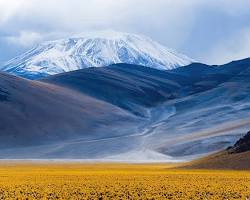
Incahuasi: A Volcanic Giant of the Andes

wherearewegoing.net – Incahuasi, a complex volcanic massif in the Andes mountain range, rises to an impressive 6,621 meters (21,722 feet). Located in the Argentine province of Catamarca, this formidable peak is a challenge for even the most experienced mountaineers.

A Remote and Rugged Beauty

Incahuasi is situated in a remote and arid region of the Andes, far from major population centers. This isolation contributes to its pristine beauty and challenging conditions. The mountain’s steep slopes, high altitude, and harsh climate make it a formidable adversary for even the most experienced climbers.

A Technical Climb

The ascent to Incahuasi is a technical climb, requiring experience in glacier travel, crevasse rescue, and high-altitude mountaineering. The most common route to the summit involves ascending a series of steep slopes and glaciers, often in challenging weather conditions.

A Unique Ecosystem

The arid environment of the Andes, where Incahuasi is located, limits the diversity of life on the mountain. However, some hardy species, such as vicuñas and Andean condors, can be found in the lower elevations.

A Cultural Icon

Incahuasi, like many other Andean peaks, holds cultural significance for the indigenous communities that inhabit the region. The Inca people revered mountains as sacred sites, and many Andean peaks, including Incahuasi, are still considered to be spiritually significant.

Incahuasi is a testament to the power and beauty of the Andes. Its remote location, challenging terrain, and stunning scenery make it a truly unique and unforgettable destination. For those who are drawn to the adventure of high-altitude climbing, Incahuasi offers a challenging and rewarding experience.
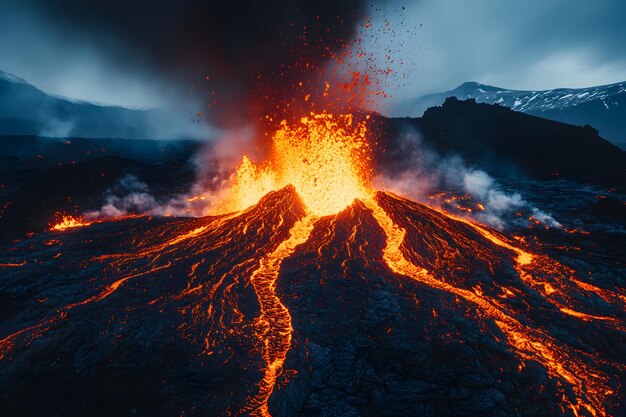
Volcanic Fury: Eruptions and Their Aftermath

wherearewegoing.net – Volcanoes are awe-inspiring natural wonders that demonstrate the dynamic nature of our planet. While they can create stunning landscapes, they also have the power to cause widespread destruction. Understanding volcanic eruptions and their aftermath is crucial for minimizing their impact on human life and the environment.

What Causes Volcanic Eruptions?

Volcanic eruptions occur when magma from beneath the Earth’s crust rises to the surface. This can happen due to the movement of tectonic plates, which allows magma to escape through vents or fissures. The pressure from gases and molten rock builds up until it is forcefully released in an eruption.

Types of Volcanic Eruptions

  1. Effusive Eruptions: These eruptions involve the steady flow of lava onto the surface, forming extensive lava fields. They are typically less explosive and occur at shield volcanoes, such as those in Hawaii.
  2. Explosive Eruptions: Characterized by violent explosions that eject ash, gas, and volcanic rocks into the atmosphere. These eruptions can form stratovolcanoes, like Mount St. Helens.
  3. Phreatomagmatic Eruptions: These occur when magma comes into contact with water, causing a steam-driven explosion. This type can be highly explosive and is often seen in island volcanoes.

Immediate Effects of Volcanic Eruptions

Volcanic eruptions can have immediate and severe effects, including:

  • Lava Flows: Molten rock can destroy everything in its path, including homes and infrastructure.
  • Pyroclastic Flows: Fast-moving currents of hot gas and volcanic matter that can obliterate nearby areas.
  • Ash Clouds: Volcanic ash can disrupt air travel, damage machinery, and pose health risks to humans and animals.

Long-Term Consequences

The aftermath of volcanic eruptions can have lasting impacts:

  • Climate Change: Large eruptions can inject sulfur dioxide into the stratosphere, leading to temporary global cooling by reflecting sunlight away from Earth.
  • Soil Fertility: Volcanic ash can enrich soil, making it more fertile for agriculture in the long term.
  • Economic Impact: The destruction of infrastructure and disruption of air travel can have significant economic consequences for affected regions.

Mitigation and Preparedness

Being prepared for volcanic eruptions involves:

  • Monitoring and Early Warning Systems: Volcano observatories use various tools to monitor volcanic activity and provide early warnings to communities.
  • Evacuation Plans: Communities near active volcanoes should have evacuation plans in place to ensure swift and safe relocation if necessary.
  • Public Education: Raising awareness about volcanic hazards and safety measures can help communities better prepare for potential eruptions.

Conclusion

Volcanoes are a powerful reminder of the Earth’s dynamic nature. While they can pose significant threats, understanding volcanic processes and implementing effective mitigation strategies can reduce their impact. By learning from past eruptions and investing in research and preparedness, we can better protect human life and the environment from volcanic fury.

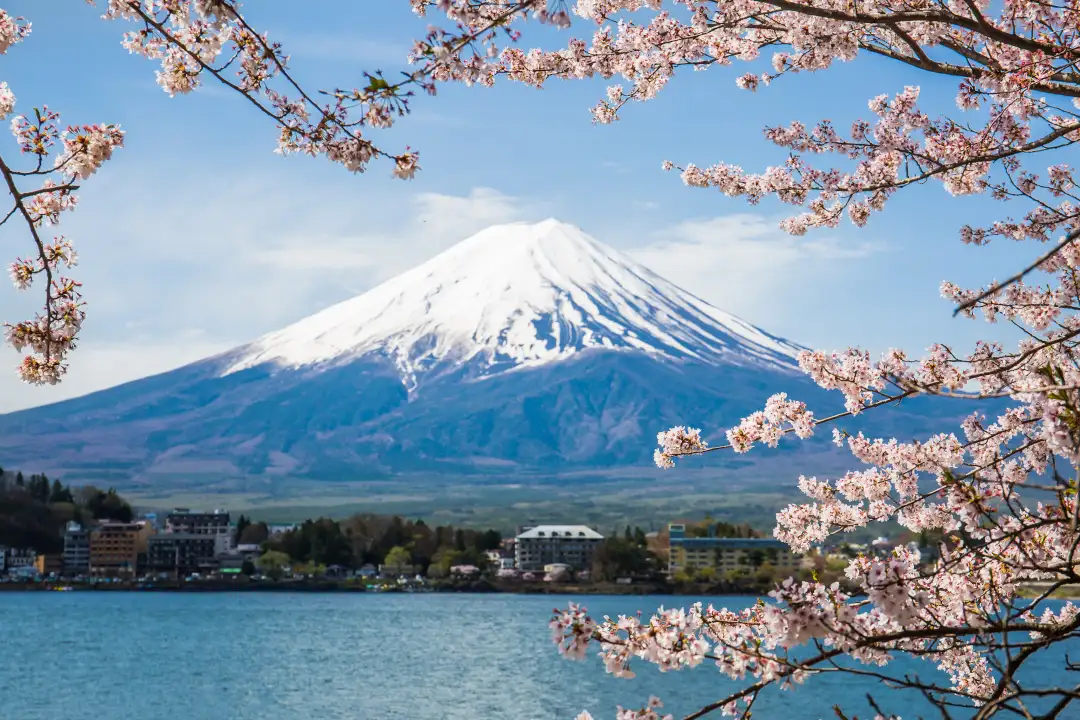
Japan’s Iconic Volcanic Wonder: Mount Fuji

wherearewegoing.net – Towering majestically over the landscape, Mount Fuji stands as a symbol of Japan’s natural beauty and cultural heritage. This iconic stratovolcano, with its near-perfect cone shape, has captivated the hearts and imaginations of people around the world. Known in Japan as “Fuji-san,” it is the country’s highest mountain, reaching an impressive height of 3,776 meters (12,389 feet) above sea level. Mount Fuji is not only a natural wonder but also a deeply revered site that has inspired countless artists, poets, and adventurers.

Geological Marvel

Mount Fuji is more than just a picturesque mountain; it is an active volcano that has shaped the surrounding region through its geological activity. The volcano last erupted in the early 18th century, and while it has been dormant since, it remains an object of study and monitoring by volcanologists. Its formation is a result of the movement of tectonic plates beneath the Earth’s surface, where the Philippine Sea Plate is being subducted beneath the Amurian Plate. This process has led to the creation of the Japanese archipelago and its many volcanoes, including the majestic Mount Fuji.

Cultural Significance

Throughout history, Mount Fuji has played a significant role in Japanese culture and religion. It is considered a sacred mountain, and for centuries, people have climbed it as a form of pilgrimage. The mountain has been worshipped as a deity itself and is the focus of various Shinto and Buddhist rituals. The iconic image of Mount Fuji has been a recurring theme in Japanese art, most famously depicted by the ukiyo-e artist Katsushika Hokusai in his series “Thirty-Six Views of Mount Fuji.”

Climbing Mount Fuji

Every year, thousands of people from all over the world attempt to climb Mount Fuji. The climbing season is relatively short, typically from early July to mid-September. There are four main trails leading to the summit, each offering its own unique experience and views. The climb can be challenging, especially for those not accustomed to high altitudes, but the reward of witnessing the sunrise from the summit is an unforgettable experience.

Environmental Conservation

As a symbol of national pride and a UNESCO World Heritage Site, Mount Fuji is subject to various conservation efforts. The area around the mountain, known as the Fuji Hakone Izu National Park, is protected to preserve its natural beauty and biodiversity. Efforts are made to manage the impact of tourism and to educate visitors on the importance of environmental conservation.

Conclusion

Mount Fuji is more than just a mountain; it is a symbol of Japan’s enduring spirit and natural splendor. Its serene beauty, cultural significance, and geological importance make it a truly unique and iconic landmark. Whether admired from afar or experienced up close through a challenging climb, Mount Fuji continues to inspire awe and wonder in all who encounter it.