Wonders of the Natural History Museum: Time and Nature

wherearewegoing.net – The Natural History Museum in London, United Kingdom, is a world-renowned institution that invites visitors to explore the rich tapestry of life on Earth. Known for its stunning architecture and vast collections, the museum offers an engaging experience that blends education with entertainment.

A Glimpse into the Museum’s History

Established in 1881, the Natural History Museum was initially part of the British Museum before becoming a separate entity. Its iconic building, designed by Alfred Waterhouse, is a masterpiece of Romanesque architecture, featuring intricate terracotta facades that reflect the natural world. Over the years, the museum has expanded its collections and exhibits, becoming a leader in scientific research and conservation.

Exploring the Museum’s Fascinating Exhibits

The Natural History Museum houses over 80 million specimens, ranging from ancient fossils to contemporary biodiversity. Here are some of the must-see exhibits:

1. The Dinosaurs Gallery

One of the most popular attractions, the Dinosaurs Gallery, features an impressive array of fossilized skeletons and models, including the famous Diplodocus cast, affectionately known as “Dippy,” and a striking animatronic Tyrannosaurus rex that thrills visitors of all ages.

2. The Hintze Hall

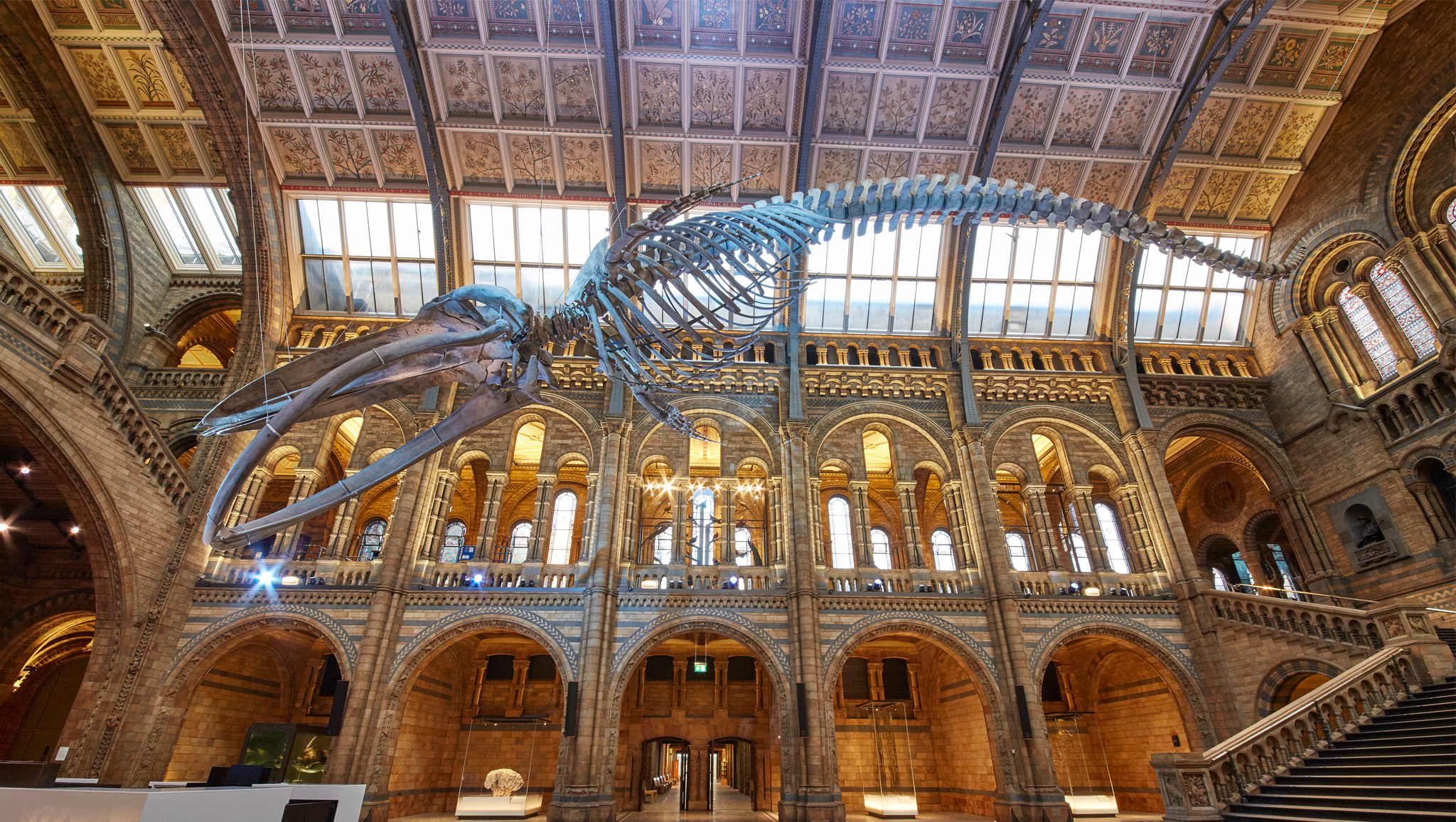
Upon entering the museum, visitors are greeted by the awe-inspiring sight of the Hintze Hall, where the enormous blue whale skeleton, named “Hope,” is suspended from the ceiling. This majestic display highlights the museum’s commitment to marine conservation and the wonders of the natural world.

3. The Earth Hall

Dedicated to the planet’s geological history, the Earth Hall features an array of minerals, rocks, and gemstones. Visitors can explore the dynamic forces that shape our planet, from volcanic eruptions to tectonic shifts.

4. The Darwin Centre

Home to millions of plant and animal specimens, the Darwin Centre offers a behind-the-scenes look at the museum’s scientific research. Interactive exhibits and multimedia presentations provide insight into the latest discoveries and the importance of biodiversity.

Tips for Visiting the Natural History Museum

To enhance your visit to the Natural History Museum, consider these helpful tips:

  • Plan Your Visit: Check the museum’s website for information on temporary exhibitions and events. Entry is free, but some special exhibitions may require tickets.
  • Explore the Gardens: The museum’s Wildlife Garden, open from April to November, is a peaceful oasis showcasing native plants and habitats.
  • Engage with Interactive Displays: Many exhibits feature interactive elements that encourage hands-on learning, making them perfect for families and curious minds.
  • Take a Guided Tour: Consider joining a guided tour to gain deeper insights into the museum’s collections and history.

Conclusion

The Natural History Museum in London is more than just a repository of specimens; it is a celebration of the natural world and the scientific endeavors that seek to understand it. Whether you’re fascinated by dinosaurs, intrigued by the Earth’s geological wonders, or inspired by the beauty of biodiversity, the museum offers a captivating experience that resonates with visitors of all ages.

Nature’s Timeless Performance: Dance of the Elements

wherearewegoing.net – In the vast theater of the natural world, a perpetual performance unfolds — the “Dance of the Elements.” This captivating spectacle features Earth, Water, Air, and Fire, each element moving harmoniously in an intricate ballet that shapes our planet. Their dance is a testament to the dynamic and interconnected forces that sustain life and create the mesmerizing landscapes we cherish.

Earth: The Foundation

Earth, the grounding force, provides the stage for this elemental dance. Its solid presence forms the mountains, valleys, and plains, offering stability and resources for all living beings. The movement of tectonic plates and the slow but steady processes of erosion and sedimentation are Earth’s choreography, sculpting the land over millennia. This element’s dance is slow and deliberate, yet powerful in its ability to shape the world.

Water: The Flowing Rhythm

Water brings fluidity and grace to the dance, its currents and waves creating a rhythmic flow that connects all corners of the globe. Rivers carve paths through landscapes, while oceans embrace continents, and rain nourishes the land. Water’s adaptability and persistence are evident in its ability to transform from gentle streams to raging torrents, each movement essential to the cycle of life. Its dance is both soothing and invigorating, embodying the essence of change and renewal.

Air: The Invisible Partner

Air, though invisible, plays a vital role in the dance of the elements. It carries the breath of life, circulating around the planet as winds that shape weather patterns and climates. From gentle breezes to powerful storms, Air’s movements are unpredictable and dynamic, a reminder of nature’s untamed spirit. Its dance is one of freedom and spontaneity, influencing all it touches with an unseen yet undeniable presence.

Fire: The Passionate Force

Fire, the most vibrant of the elements, adds intensity and energy to the dance. It is both a creator and destroyer, capable of sparking new growth with its warmth while consuming the old. From the sun’s radiant energy to the flicker of a forest fire, Fire’s presence is a reminder of transformation and rebirth. Its dance is fierce and passionate, a testament to the power of light and heat in shaping our world.

The Interplay of Elements

Together, these elements create a dynamic interplay, each influencing and being influenced by the others. Their dance is a continuous cycle of creation and destruction, harmony and discord, reflecting the balance that sustains life on Earth. The Dance of the Elements is a reminder of the beauty and complexity of nature, inviting us to marvel at the forces that govern our world.

Conclusion

The “Dance of the Elements” is an awe-inspiring performance that unfolds before us every day. As we witness this dance, we are reminded of the interconnectedness of all things and the delicate balance required to maintain harmony in nature. Let us cherish and respect this timeless performance, for it is the foundation of life and the source of endless wonder.

Biodiversity: Maintaining the Balance of Nature

Biodiversity, the variety of life on Earth, encompasses the diversity of species, genetic variations, and ecosystems. It is crucial for the health and stability of our planet, ensuring the natural sustainability of all life forms. This article explores the importance of biodiversity, the threats it faces, and the steps we can take to preserve it.

Importance of Biodiversity

  1. Ecosystem Services: Biodiversity provides essential services that sustain life on Earth. These include pollination of plants, decomposition of waste, water purification, and climate regulation. For instance, forests and oceans act as carbon sinks, helping to mitigate climate change.
  2. Food Security: A diverse range of species ensures a stable and resilient food supply. Different crops and livestock breeds can withstand various environmental conditions and diseases, providing a buffer against food shortages.
  3. Medicinal Resources: Many medicines are derived from plant and animal sources. The diversity of species increases the potential for discovering new treatments and cures for diseases. For example, the rosy periwinkle plant has been instrumental in treating childhood leukemia.
  4. Economic Benefits: Biodiversity supports industries such as agriculture, fisheries, and tourism. Healthy ecosystems contribute to economic growth and provide livelihoods for millions of people worldwide.
  5. Cultural and Aesthetic Value: Biodiversity enriches our lives through its beauty and the inspiration it provides. Many cultures have deep connections with nature, and biodiversity plays a crucial role in their traditions and beliefs.

Threats to Biodiversity

  1. Habitat Destruction: Urbanization, deforestation, and agricultural expansion are leading causes of habitat loss. When natural habitats are destroyed, species lose their homes and resources, leading to population declines and extinctions.
  2. Climate Change: Rising temperatures, altered precipitation patterns, and extreme weather events disrupt ecosystems and force species to adapt, migrate, or face extinction. Coral reefs, for example, are highly sensitive to temperature changes and are suffering from widespread bleaching.
  3. Pollution: Chemicals, plastics, and other pollutants contaminate air, water, and soil, harming wildlife and ecosystems. Pesticides, for instance, can kill beneficial insects and birds, disrupting food chains.
  4. Overexploitation: Overfishing, hunting, and logging deplete populations of species faster than they can reproduce. This unsustainable use of resources threatens the survival of many species, including commercially important fish stocks.
  5. Invasive Species: Non-native species introduced by human activities can outcompete, prey on, or bring diseases to native species. This can lead to the decline or extinction of indigenous species and the disruption of local ecosystems.

Preserving Biodiversity

  1. Protected Areas: Establishing and effectively managing protected areas, such as national parks and wildlife reserves, can safeguard habitats and species. These areas provide refuges where ecosystems can function with minimal human interference.
  2. Sustainable Practices: Adopting sustainable agricultural, forestry, and fishing practices can help preserve biodiversity. This includes crop rotation, selective logging, and catch limits to prevent overexploitation.
  3. Restoration Projects: Rehabilitating degraded ecosystems through reforestation, wetland restoration, and other initiatives can revive biodiversity. Restored habitats can support wildlife and provide ecosystem services.
  4. Legislation and Policies: Governments can enact laws and regulations to protect endangered species and habitats. International agreements, such as the Convention on Biological Diversity, promote global cooperation in biodiversity conservation.
  5. Education and Awareness: Raising public awareness about the importance of biodiversity and the threats it faces can inspire action. Education programs can empower communities to participate in conservation efforts and adopt environmentally friendly practices.
  6. Scientific Research: Investing in research helps us understand biodiversity and develop effective conservation strategies. Monitoring species populations, studying ecosystems, and exploring new technologies are essential for informed decision-making.

Conclusion

Biodiversity is the foundation of life on Earth, and its preservation is vital for our well-being and the planet’s health. By addressing the threats to biodiversity and implementing conservation measures, we can ensure that future generations inherit a rich and thriving natural world. Every individual, community, and nation has a role to play in preserving the balance of nature.