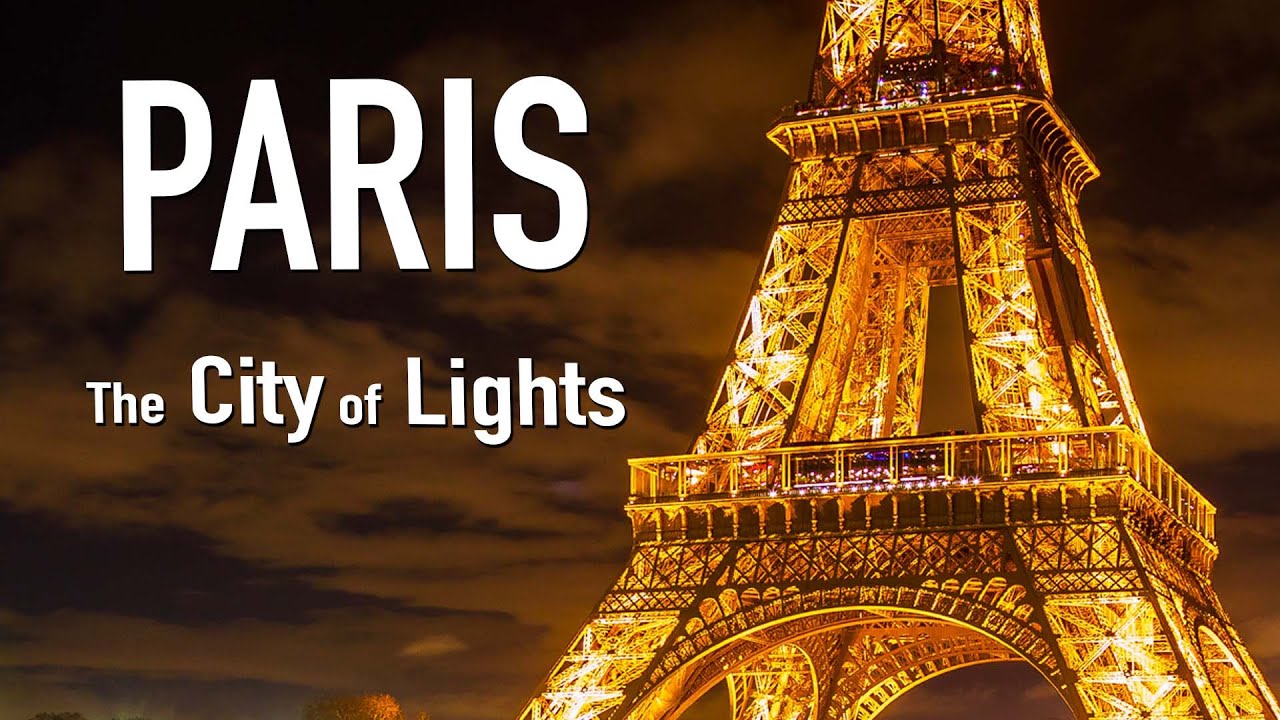
Paris: The City of Lights – City of Art, Culture, and Romance

wherearewegoing.net – Paris, the capital of France and the heart of the Île-de-France region, is a global city renowned for its iconic landmarks, world-class museums, and romantic atmosphere. With its rich history, diverse culture, and elegant architecture, Paris continues to captivate visitors from around the world.

Iconic Landmarks

  • Eiffel Tower: This iconic symbol of Paris dominates the city’s skyline and offers breathtaking panoramic views.
  • Notre Dame Cathedral: A masterpiece of Gothic architecture, Notre Dame Cathedral is one of the most famous religious buildings in the world.
  • Louvre Museum: One of the world’s largest and most prestigious museums, the Louvre houses a vast collection of art and artifacts, including the Mona Lisa.
  • Arc de Triomphe: A monumental arch commemorating the French Revolution and Napoleonic Wars.

Cultural Experiences

  • Museums and Art Galleries: Paris is home to numerous world-class museums and art galleries, including the Musée d’Orsay, Centre Pompidou, and Musée Rodin.
  • Opera and Theater: The Palais Garnier and the Opéra Bastille are renowned for their stunning architecture and world-class performances.
  • Fashion and Design: Paris is a global fashion capital, with renowned fashion houses and designers such as Chanel, Dior, and Louis Vuitton.

Gastronomic Delights

Paris is a culinary paradise, offering a wide range of dining experiences, from Michelin-starred restaurants to cozy bistros.

  • French Cuisine: Indulge in classic French dishes like coq au vin, boeuf bourguignon, and crème brûlée.
  • Street Food: Sample delicious street food, such as crepes, falafel, and kebabs.
  • Wine and Cheese: Paris is a great place to experience French wine and cheese culture.

A Year-Round Destination

Paris is a year-round destination, offering a variety of activities for visitors. In the spring and summer, visitors can enjoy the city’s parks, gardens, and outdoor cafes. In the autumn, the city’s leaves turn golden, creating a picturesque atmosphere. And in the winter, Paris transforms into a magical winter wonderland, with Christmas markets and festive decorations.
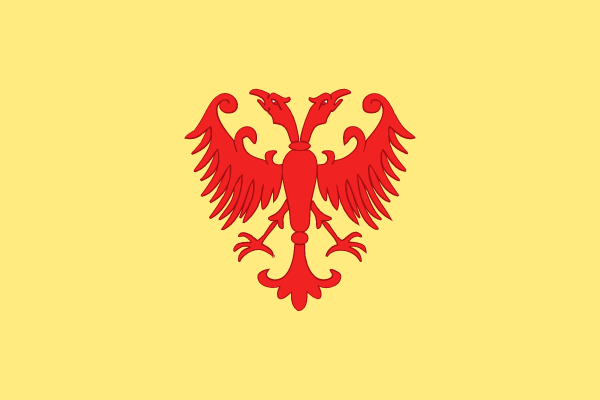

A Crossroads of Cultures: Moravian Serbia

wherearewegoing.net – Moravian Serbia, a region steeped in history and culture, stands as a testament to the rich tapestry of Serbian heritage. This area, known historically as the Principality of Moravian Serbia or the Realm of Prince Lazar, emerged as the largest and most powerful Serbian principality following the fall of the Serbian Empire in 1371. The region’s significance is not only in its political power but also in its role as a cultural crossroads, where various influences have shaped its identity over the centuries.

Historical Significance

Moravian Serbia was named after Prince Lazar Hrebeljanović, who ruled from 1371 to 1389. Born in the fortress of Prilepac near the town of Novo Brdo in the region of Kosovo, Lazar’s reign marked a pivotal period in Serbian history. His leadership and the subsequent rule of his son, Stefan Lazarević, who reigned from 1389 to 1402, saw the flourishing of Serbian culture and the expansion of the principality’s influence.

Cultural Landmarks

One of the most significant cultural landmarks in Moravian Serbia is the Manasija monastery, built by Stefan Lazarević in the 15th century. This monastery is renowned for its frescoes, which are among the most beautiful examples of the Moravian style. The depictions of the monastery’s patron and the monumental paintings of the holy warriors are particularly notable, showcasing the artistic prowess of the period.

Cultural Influences

Moravian Serbia’s location at the crossroads of various cultural influences is evident in its art, architecture, and traditions. The region was influenced by both Byzantine and Western European cultures, which is reflected in its architectural styles and religious practices. This blend of influences has contributed to the unique cultural identity of Moravian Serbia, making it a fascinating area for historians and cultural enthusiasts alike.

Conclusion

Moravian Serbia, with its rich history and cultural heritage, remains a significant region in Serbian history. Its role as a cultural crossroads has not only shaped its identity but has also left a lasting legacy that continues to influence Serbian culture today. The region’s historical sites, such as the Manasija monastery, serve as reminders of the past and continue to attract visitors interested in exploring the depth and breadth of Serbian culture.

Moravian Serbia stands as a testament to the resilience and cultural richness of the Serbian people, a region that has been at the heart of significant historical events and cultural developments. Its legacy continues to inspire and educate, making it a vital part of Serbian heritage.

The Intersection of Culture and Design

wherearewegoing.net – The intersection of design and culture is a rich and dynamic field that explores how design both reflects and shapes cultural values, norms, and practices. This intersection is not just about aesthetics or functionality; it’s about understanding the deeper meanings and implications of design in society. Here are several key aspects of how design and culture intersect:

  1. Cultural Reflection: Design often mirrors the cultural context in which it is created. For example, traditional crafts and textiles reflect the heritage, beliefs, and social structures of a community. Similarly, contemporary design can reflect current cultural trends, values, and technological advancements.
  2. Cultural Identity: Design plays a crucial role in expressing and preserving cultural identity. This can be seen in the architecture of buildings, the patterns of fabrics, or the symbols used in graphic design. These elements can help to distinguish one culture from another and can be a source of pride and cohesion within a community.
  3. Social Change: Design can be a tool for social change and cultural evolution. It can challenge existing norms, raise awareness about social issues, and propose new ways of living and interacting. For instance, the design of sustainable products can promote environmental awareness and encourage more eco-friendly behaviors.
  4. Globalization and Localization: In an increasingly globalized world, design often navigates between global trends and local traditions. This can lead to a fusion of styles and ideas, creating new cultural expressions. However, it also raises questions about cultural appropriation and the loss of cultural uniqueness.
  5. User Experience: The design of products, services, and environments is deeply influenced by cultural factors such as language, customs, and social interactions. Understanding these factors is essential for creating user-friendly and culturally sensitive designs.
  6. Innovation and Creativity: The intersection of design and culture can be a fertile ground for innovation. When designers are exposed to diverse cultural perspectives, they can draw inspiration from a wider range of sources, leading to more creative and original solutions.
  7. Education and Research: The study of design and culture is an important area of academic and professional development. It involves research into cultural history, anthropology, sociology, and psychology, as well as practical design skills. This interdisciplinary approach helps designers to understand the complex relationship between design and culture.
  8. Policy and Regulation: Cultural considerations can also influence design policies and regulations. For example, urban planning may take into account the cultural significance of certain spaces or the need to preserve historical buildings. Similarly, design guidelines may be developed to ensure that products are culturally appropriate for specific markets.

The intersection of design and culture is a complex and evolving field that requires a deep understanding of both design principles and cultural contexts. Designers who are sensitive to cultural nuances can create more meaningful and impactful work that resonates with diverse audiences and contributes to cultural dialogue and exchange.