A Crossroads of Cultures: Moravian Serbia

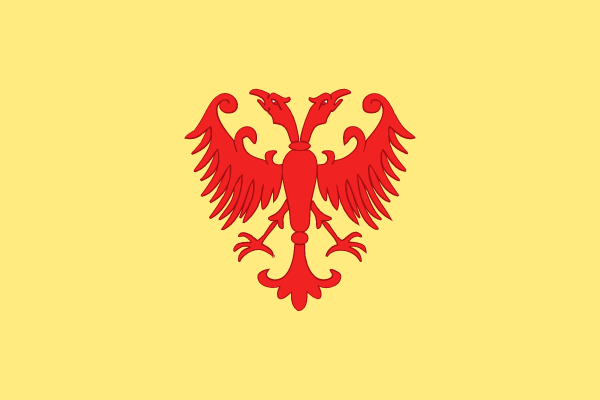
wherearewegoing.net – Moravian Serbia, a region steeped in history and culture, stands as a testament to the rich tapestry of Serbian heritage. This area, known historically as the Principality of Moravian Serbia or the Realm of Prince Lazar, emerged as the largest and most powerful Serbian principality following the fall of the Serbian Empire in 1371. The region’s significance is not only in its political power but also in its role as a cultural crossroads, where various influences have shaped its identity over the centuries.

Historical Significance

Moravian Serbia was named after Prince Lazar Hrebeljanović, who ruled from 1371 to 1389. Born in the fortress of Prilepac near the town of Novo Brdo in the region of Kosovo, Lazar’s reign marked a pivotal period in Serbian history. His leadership and the subsequent rule of his son, Stefan Lazarević, who reigned from 1389 to 1402, saw the flourishing of Serbian culture and the expansion of the principality’s influence.

Cultural Landmarks

One of the most significant cultural landmarks in Moravian Serbia is the Manasija monastery, built by Stefan Lazarević in the 15th century. This monastery is renowned for its frescoes, which are among the most beautiful examples of the Moravian style. The depictions of the monastery’s patron and the monumental paintings of the holy warriors are particularly notable, showcasing the artistic prowess of the period.

Cultural Influences

Moravian Serbia’s location at the crossroads of various cultural influences is evident in its art, architecture, and traditions. The region was influenced by both Byzantine and Western European cultures, which is reflected in its architectural styles and religious practices. This blend of influences has contributed to the unique cultural identity of Moravian Serbia, making it a fascinating area for historians and cultural enthusiasts alike.

Conclusion

Moravian Serbia, with its rich history and cultural heritage, remains a significant region in Serbian history. Its role as a cultural crossroads has not only shaped its identity but has also left a lasting legacy that continues to influence Serbian culture today. The region’s historical sites, such as the Manasija monastery, serve as reminders of the past and continue to attract visitors interested in exploring the depth and breadth of Serbian culture.

Moravian Serbia stands as a testament to the resilience and cultural richness of the Serbian people, a region that has been at the heart of significant historical events and cultural developments. Its legacy continues to inspire and educate, making it a vital part of Serbian heritage.
How Global Influences Shape Fashion Show Themes

wherearewegoing.net – Fashion is a global phenomenon that transcends cultural boundaries, reflecting the diverse influences that shape our world. Fashion show themes are a testament to the industry’s ability to absorb and reinterpret global influences, creating narratives that resonate on an international scale. This exploration delves into the various ways in which global elements impact the themes of fashion shows, from cultural motifs to environmental concerns.

Cultural Fusion in Fashion Show Themes

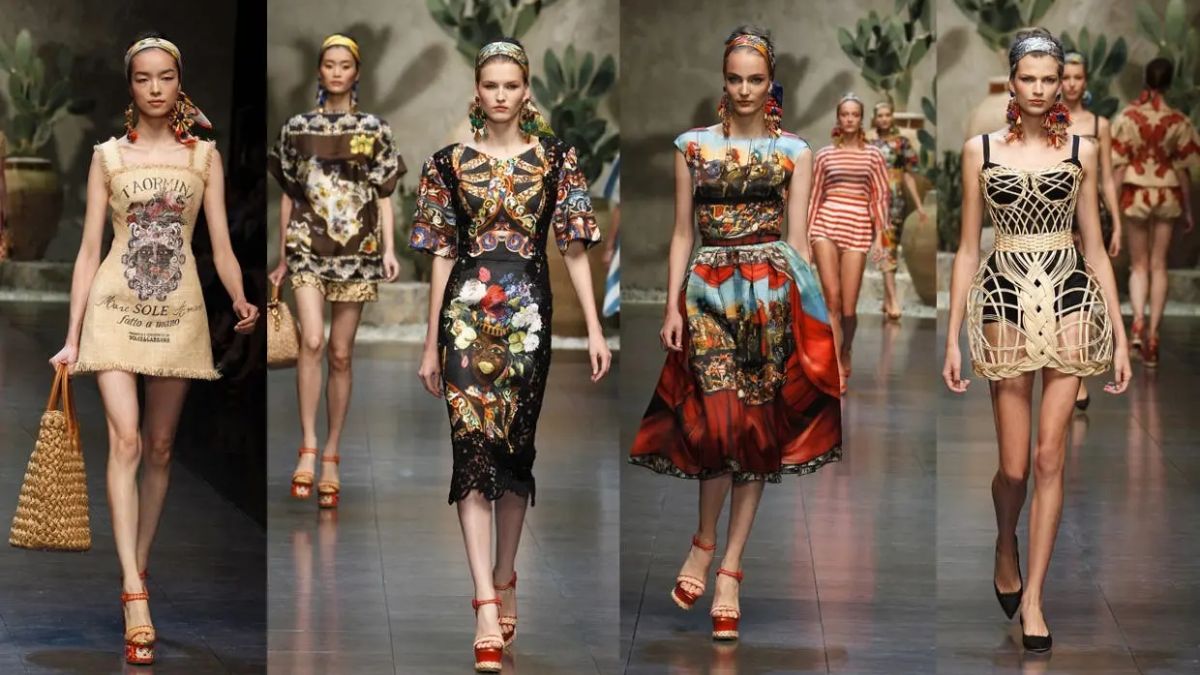
One of the most apparent ways in which global influences shape fashion show themes is through cultural fusion. Designers often draw inspiration from different cultures, incorporating traditional motifs, textiles, and silhouettes into their collections. This cultural exchange enriches the fashion landscape, offering a broader palette of aesthetics and narratives. For instance, a designer might be inspired by the vibrant colors and patterns of African textiles, the intricate embroidery of Indian garments, or the minimalist elegance of Japanese design. These cultural influences are not just aesthetic choices but also a means of storytelling, allowing designers to pay homage to different traditions while fostering a dialogue between cultures.

Environmental Consciousness and Sustainability

In recent years, environmental consciousness has become a significant global influence on fashion show themes. As the fashion industry faces scrutiny for its environmental impact, designers and brands are increasingly incorporating sustainability into their narratives. Fashion shows with themes centered around eco-friendly practices, upcycling, and ethical production highlight the industry’s shift towards more responsible practices. These themes not only reflect a growing global concern for the environment but also challenge the industry to rethink its approach to production and consumption.

Technological Advancements and Innovation

Global advancements in technology also play a pivotal role in shaping fashion show themes. From digital printing and 3D design to augmented reality and virtual fashion shows, technology is transforming the way fashion is created, presented, and experienced. Themes that celebrate innovation and futuristic visions are becoming more common, showcasing the industry’s evolution and its ability to embrace new possibilities. These technological themes not only reflect the global pace of innovation but also signal the direction in which fashion is heading, emphasizing the role of technology in shaping the future of the industry.

Social and Political Commentary

Fashion shows have long been platforms for social and political commentary, and global issues often inspire themes that address these concerns. Whether it’s gender equality, racial justice, or global conflicts, designers use their platforms to make statements and spark conversations. These themes are powerful because they use fashion as a medium to reflect on the world’s complexities, inviting audiences to engage with important issues beyond the realm of aesthetics.

Conclusion

The themes of fashion shows are a mirror to the global influences that shape our world. From cultural fusion and environmental consciousness to technological innovation and social commentary, these themes reflect the diversity and complexity of our global society. As the fashion industry continues to evolve, it remains a dynamic space where global influences are not just acknowledged but celebrated, offering a glimpse into the interconnectedness of our world through the lens of fashion.