Role of Religion in Montenegrin Society: Social Norms & Traditions

wherearewegoing.net – Religion has been an integral part of Montenegrin society for centuries, shaping its cultural landscape, social norms, and traditions. This article explores the religious landscape in Montenegro and examines how religious beliefs and practices influence the daily lives of its citizens.

The Religious Landscape of Montenegro

Montenegro is a country with a predominantly Orthodox Christian population, with the Serbian Orthodox Church being the largest and most influential religious institution. However, the religious landscape also includes a small number of Catholics, Muslims, and adherents of other faiths. The coexistence of different religious communities has contributed to a culture of religious tolerance and diversity.

The Influence of Orthodox Christianity

Orthodox Christianity plays a significant role in Montenegrin society, impacting various aspects of social life. The church calendar dictates many public holidays and festivals, such as Easter and Christmas, which are celebrated with traditional customs and rituals. The Serbian Orthodox Church also has a strong presence in the education system, with religious education being a part of the curriculum in public schools.

Social Norms and Traditions

Religious beliefs and practices have a profound influence on social norms and traditions in Montenegro. Family values, for instance, are deeply rooted in Orthodox Christian teachings, emphasizing the importance of community, respect for elders, and the sanctity of marriage and family life. Religious festivals and ceremonies, such as baptisms, weddings, and funerals, are celebrated with elaborate rituals that reflect the community’s religious identity.

The Role of Religion in Public Life

Religion also plays a role in Montenegro’s public life, with religious leaders often participating in national debates and contributing to the country’s moral and ethical discourse. The Serbian Orthodox Church, in particular, has a significant influence on social issues, advocating for traditional values and often taking a conservative stance on matters such as LGBTQ+ rights and abortion.

Conclusion

The role of religion in Montenegrin society is multifaceted, influencing everything from personal beliefs and family traditions to public policy and social norms. While Montenegro is a secular state that guarantees religious freedom, the deep-rooted presence of Orthodox Christianity continues to shape the country’s cultural and social landscape. Understanding the role of religion in Montenegro is essential for appreciating the country’s rich cultural heritage and the complex interplay of faith and society.
The Role of Vodou in Benin’s Cultural Identity

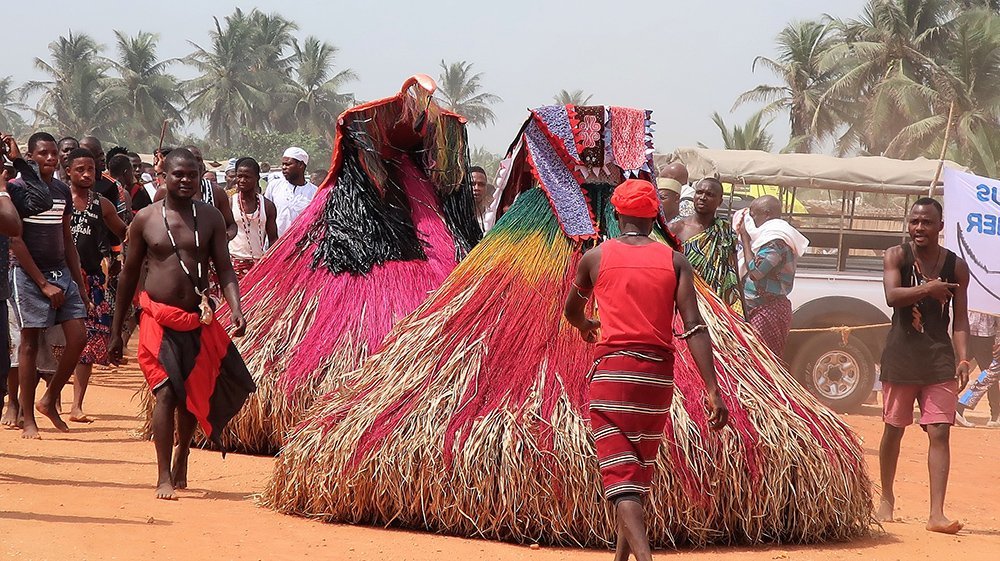
wherearewegoing.net – Vodou, often spelled as Voodoo in the Western world, is a traditional spiritual practice deeply rooted in the cultural identity of Benin. Originating from West Africa, Vodou has evolved over centuries, blending indigenous beliefs with influences from other African traditions and, later, from the New World. This article explores the profound impact of Vodou on Benin’s cultural identity, its practices, and its significance in contemporary society.

Historical Background and Origins

Vodou is an ancient religion that predates the arrival of Islam and Christianity in Benin. Its origins can be traced back to the Fon people, one of the ethnic groups in Benin, who have practiced Vodou for centuries. The religion was spread through the transatlantic slave trade, leading to its adaptation and evolution in the Caribbean and the Americas.

Core Beliefs and Practices

Vodou is a complex spiritual system that involves the worship of deities known as Vodou loa or lwa. These spirits are intermediaries between the believers and a supreme creator. Vodou ceremonies often include music, dance, and ritual offerings to honor the lwa and seek their blessings. Practitioners believe that the lwa can influence various aspects of life, including health, prosperity, and protection.

Vodou and Cultural Identity

Vodou plays a crucial role in Benin’s cultural identity, serving as a unifying force among its diverse ethnic groups. It is not just a religion but a way of life that permeates social, economic, and political aspects of society. Vodou ceremonies and festivals, such as the Ouidah International Voodoo Festival, attract participants and tourists from around the world, showcasing Benin’s rich cultural heritage.

The Role of Vodou in Modern Benin

In contemporary Benin, Vodou continues to thrive alongside Christianity and Islam. The government officially recognizes Vodou as a national religion, and it enjoys a level of respect and acceptance that is unique in the African context. Vodou practitioners are often consulted for their wisdom and spiritual guidance, reflecting the religion’s enduring relevance in modern society.

Challenges and Misconceptions

Despite its cultural significance, Vodou faces misconceptions and stereotypes, largely due to its portrayal in Western media. These misrepresentations often depict Vodou as a form of black magic or sorcery, ignoring its deep spiritual and cultural value. Efforts are being made to educate both locals and foreigners about the true nature of Vodou and its role in Benin’s cultural identity.

Conclusion

Vodou is an integral part of Benin’s cultural identity, embodying the country’s rich history, spiritual beliefs, and social practices. Its enduring presence in contemporary society underscores the importance of understanding and respecting cultural diversity. As Benin continues to develop, Vodou remains a vital link to the nation’s past and a source of pride for its people.

Duties and Toasts: The Role of the Best Man

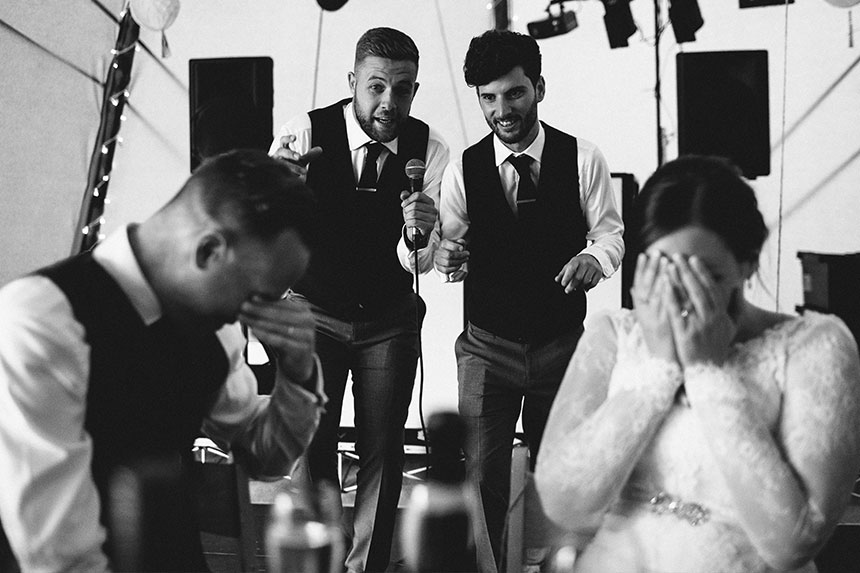
wherearewegoing.net – The best man plays a crucial role in a wedding, serving as the groom’s right-hand man and a key figure in the wedding party. His responsibilities are both practical and ceremonial, ensuring the wedding day runs smoothly and celebrating the groom’s journey into marriage. Here’s a closer look at the duties of the best man and the significance of the best man’s toast.

Duties of the Best Man

Pre-Wedding Tasks

  • Planning the Bachelor Party: The best man is typically in charge of organizing the groom’s bachelor party, which could involve anything from a low-key gathering to a weekend getaway.
  • Assisting with Wedding Planning: The best man may help the groom with various wedding planning tasks, such as selecting attire, contributing to the guest list, or coordinating with other groomsmen.
  • Handling the Rings: On the wedding day, the best man is responsible for safeguarding the wedding rings until they are needed during the ceremony.

Wedding Day Duties

  • Supporting the Groom: The best man should be there to support the groom, helping him get ready, offering moral support, and ensuring he arrives at the ceremony on time.
  • Leading the Groomsmen: The best man is often in charge of coordinating the groomsmen, making sure they are dressed appropriately and know their roles for the ceremony and reception.
  • Signing as a Witness: In many jurisdictions, the best man will sign the marriage license as a witness to the union.

The Best Man’s Toast

Crafting the Toast

  • Personal and Heartfelt: The best man’s toast should be a personal tribute to the groom and his relationship with the bride, sharing anecdotes and well-wishes.
  • Appropriate Tone: The speech should be respectful and appropriate for the audience, avoiding inside jokes or stories that could embarrass the couple.
  • Practice Delivery: It’s important for the best man to practice his speech to ensure a smooth delivery, timing it to fit within the expected duration.

Delivering the Toast

  • Timing: The best man’s toast usually comes after the father of the bride has spoken, and before other toasts or speeches.
  • Confidence: Delivering the toast with confidence and sincerity will make it more impactful. The best man should make eye contact with the guests and speak clearly.
  • Raising a Glass: The best man should conclude his speech by raising a glass and proposing a toast to the newlyweds, encouraging all guests to join in the celebration.

Conclusion

The role of the best man is multifaceted, requiring a blend of organizational skills, emotional support, and public speaking ability. From planning the bachelor party to delivering a memorable toast, the best man plays a vital part in making the wedding a success. By fulfilling his duties with care and enthusiasm, the best man honors the groom and contributes to the joy of the occasion.

The Indispensable Role of Customer Service in Retail Success

wherearewegoing.net – In the ever-evolving landscape of retail, where trends come and go with the swiftness of a fashion season, one element remains steadfastly crucial for success: customer service. It’s the cornerstone upon which businesses build lasting relationships with their clientele, foster brand loyalty, and ultimately, drive sales. The role of customer service in retail success is not just significant; it’s indispensable.

The Foundation of Customer Loyalty

Customer service is the first line of defense and the primary touchpoint for customers. It’s where the brand’s promise meets the customer’s expectations. A positive interaction can turn a one-time buyer into a lifelong advocate, while a negative one can drive them straight into the arms of competitors. According to a study by NewVoiceMedia, 68% of consumers left a company because of poor customer service. This stark statistic underscores the importance of getting it right.

Enhancing the Shopping Experience

In the retail sector, the shopping experience is everything. It’s not just about the product; it’s about how the customer feels before, during, and after the purchase. Exceptional customer service enhances this experience, making it memorable and enjoyable. Whether it’s through knowledgeable staff, seamless returns, or personalized recommendations, these interactions leave a lasting impression on the customer.

Driving Sales and Growth

The impact of customer service extends beyond loyalty and experience; it directly influences sales and growth. Satisfied customers are more likely to make repeat purchases and spend more. They also become brand ambassadors, spreading positive word-of-mouth, which is invaluable in attracting new customers. According to a report by Walker, customer experience will overtake price and product as the key brand differentiator by 2020. This shift underscores the growing importance of customer service as a driver of sales and growth.

Adapting to the Digital Age

The digital revolution has transformed the retail landscape, with e-commerce and social media changing how customers shop and interact with brands. In this digital age, customer service has had to adapt, with many retailers offering support through multiple channels, including live chat, social media, and email. This omnichannel approach ensures that customers can get the help they need, when they need it, no matter where they are.

The Future of Retail Success

As the retail industry continues to evolve, the role of customer service will only become more critical. Retailers that prioritize customer service, invest in their staff, and leverage technology to enhance the shopping experience will be well-positioned for success. Those that fail to do so risk being left behind.

In conclusion, customer service is not just a department within a retail business; it’s a philosophy that should permeate every aspect of the company. It’s about putting the customer first, ensuring their needs are met, and their expectations exceeded. In doing so, retailers can build a loyal customer base, enhance the shopping experience, drive sales, and ultimately, achieve success in a competitive and ever-changing market.