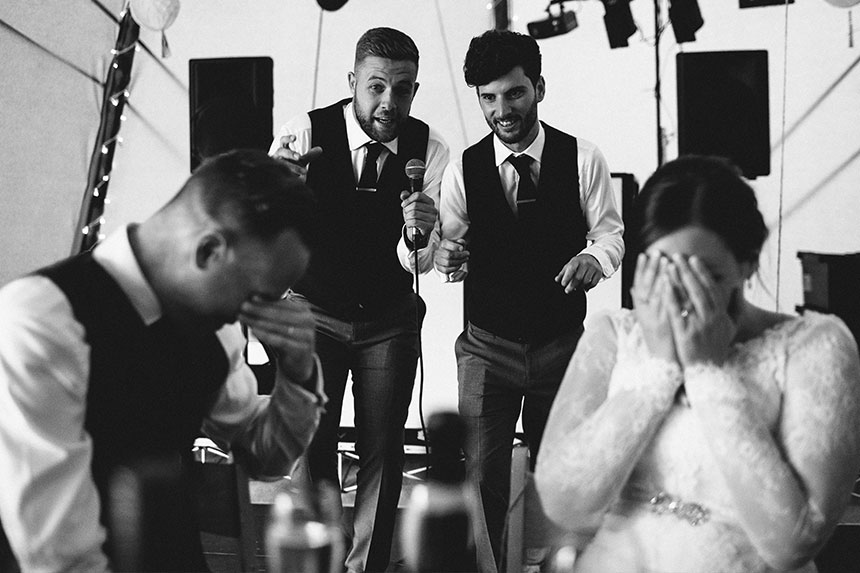
Duties and Toasts: The Role of the Best Man

wherearewegoing.net – The best man plays a crucial role in a wedding, serving as the groom’s right-hand man and a key figure in the wedding party. His responsibilities are both practical and ceremonial, ensuring the wedding day runs smoothly and celebrating the groom’s journey into marriage. Here’s a closer look at the duties of the best man and the significance of the best man’s toast.

Duties of the Best Man

Pre-Wedding Tasks

  • Planning the Bachelor Party: The best man is typically in charge of organizing the groom’s bachelor party, which could involve anything from a low-key gathering to a weekend getaway.
  • Assisting with Wedding Planning: The best man may help the groom with various wedding planning tasks, such as selecting attire, contributing to the guest list, or coordinating with other groomsmen.
  • Handling the Rings: On the wedding day, the best man is responsible for safeguarding the wedding rings until they are needed during the ceremony.

Wedding Day Duties

  • Supporting the Groom: The best man should be there to support the groom, helping him get ready, offering moral support, and ensuring he arrives at the ceremony on time.
  • Leading the Groomsmen: The best man is often in charge of coordinating the groomsmen, making sure they are dressed appropriately and know their roles for the ceremony and reception.
  • Signing as a Witness: In many jurisdictions, the best man will sign the marriage license as a witness to the union.

The Best Man’s Toast

Crafting the Toast

  • Personal and Heartfelt: The best man’s toast should be a personal tribute to the groom and his relationship with the bride, sharing anecdotes and well-wishes.
  • Appropriate Tone: The speech should be respectful and appropriate for the audience, avoiding inside jokes or stories that could embarrass the couple.
  • Practice Delivery: It’s important for the best man to practice his speech to ensure a smooth delivery, timing it to fit within the expected duration.

Delivering the Toast

  • Timing: The best man’s toast usually comes after the father of the bride has spoken, and before other toasts or speeches.
  • Confidence: Delivering the toast with confidence and sincerity will make it more impactful. The best man should make eye contact with the guests and speak clearly.
  • Raising a Glass: The best man should conclude his speech by raising a glass and proposing a toast to the newlyweds, encouraging all guests to join in the celebration.

Conclusion

The role of the best man is multifaceted, requiring a blend of organizational skills, emotional support, and public speaking ability. From planning the bachelor party to delivering a memorable toast, the best man plays a vital part in making the wedding a success. By fulfilling his duties with care and enthusiasm, the best man honors the groom and contributes to the joy of the occasion.
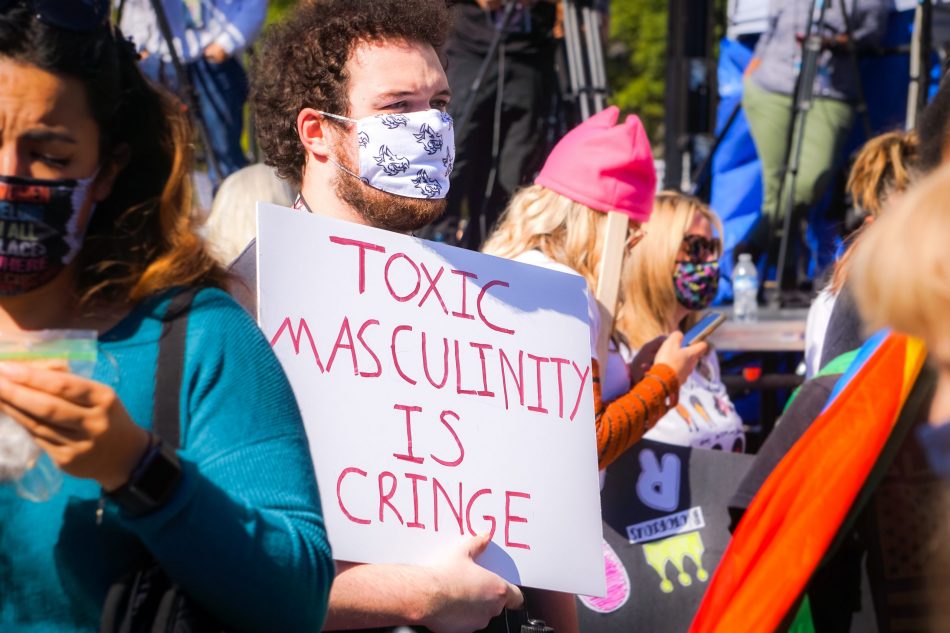
Breaking Free from Toxic Masculinity: Men in Motion

In a world where masculinity has often been defined by rigid norms and expectations, the concept of “toxic masculinity” has emerged as a critical topic of discussion. Toxic masculinity refers to the socially constructed attitudes that describe the male gender role as violent, unemotional, sexually aggressive, and competitive. This narrow definition of manhood not only stifles the emotional and personal growth of men but also has detrimental effects on society as a whole. The movement to break free from these toxic ideals is gaining momentum, with men and allies around the globe advocating for a more inclusive and healthy understanding of what it means to be a man. This article explores the journey of men in motion, breaking free from the chains of toxic masculinity and embracing a more authentic and empowering version of masculinity.

Understanding Toxic Masculinity

Toxic masculinity is not about toxic men or masculinity itself. Instead, it is about the harmful aspects of how society defines manhood. Men are often taught from a young age to suppress their emotions, to never show vulnerability, and to always be the provider and protector. These expectations can lead to isolation, mental health issues, and the perpetuation of violence and discrimination.

The Impact of Toxic Masculinity

The effects of toxic masculinity are far-reaching. For men, it can result in a disconnection from their emotions, leading to higher rates of depression, anxiety, and substance abuse. It also contributes to aggressive behavior and violence, both in personal relationships and in society at large. For women and non-binary individuals, toxic masculinity can manifest as misogyny, leading to gender inequality and violence against women.

Breaking Free

Breaking free from toxic masculinity is a journey that requires introspection, courage, and support. It involves challenging the traditional norms and expectations that have been ingrained in society for generations. Here are some steps that men can take to break free:

  1. Acknowledge and Understand: Recognize the signs of toxic masculinity in oneself and society. Understanding the issue is the first step towards change.
  2. Embrace Emotional Intelligence: Allow yourself to feel and express a full range of emotions. Emotional intelligence is a strength, not a weakness.
  3. Seek Support: Build a support network of friends, family, or professionals who understand and support the journey towards healthier masculinity.
  4. Challenge Stereotypes: Actively challenge stereotypes about gender roles and masculinity in everyday life. This can be as simple as questioning why certain activities or emotions are considered “unmanly.”
  5. Practice Empathy and Allyship: Stand up against sexism and misogyny. Support women’s rights and the rights of all genders. Empathy and allyship are key components of a healthy masculinity.

The Benefits of Breaking Free

Breaking free from toxic masculinity benefits not only the individual but also their relationships and society as a whole. Men who embrace a healthier version of masculinity often report improved mental health, more fulfilling relationships, and a greater sense of purpose. Society benefits from reduced violence, greater gender equality, and a more compassionate and understanding community.

Conclusion

The movement to break free from toxic masculinity is a vital step towards creating a more equitable and compassionate world. It is a journey that requires the collective effort of men, women, and non-binary individuals. By challenging traditional norms and embracing a more inclusive and authentic version of masculinity, we can all contribute to a healthier society. Men in motion, breaking free from toxic masculinity, are not just changing themselves; they are changing the world for the better.