
Infernal Affairs: A Thrilling Exploration of Identity & Deception

wherearewegoing.net – “Infernal Affairs” is a 2002 Hong Kong crime thriller that has captivated audiences with its intense storytelling and intricate plot. Directed by Andrew Lau and Alan Mak, the film offers a gripping exploration of identity, loyalty, and the blurred lines between good and evil. Its success and impact went beyond borders, inspiring numerous adaptations, including Martin Scorsese’s Oscar-winning film “The Departed.”

Plot Overview

The film centers on the parallel lives of two men on opposite sides of the law. Chan Wing-yan (played by Tony Leung) is an undercover cop embedded within a triad, while Lau Kin-ming (played by Andy Lau) is a triad mole infiltrating the police force. As both men rise through the ranks of their respective organizations, they are tasked with uncovering each other’s identity, leading to a tense and dangerous cat-and-mouse game.

Themes and Symbolism

“Infernal Affairs” delves into themes of duality, identity crisis, and moral ambiguity. The film questions the nature of identity and loyalty, as both protagonists struggle with their true selves amidst their deceitful lives. The concept of “infernal affairs” alludes to the Buddhist idea of an endless cycle of suffering, reflecting the characters’ perpetual entrapment in their roles. This philosophical underpinning adds depth to the narrative, elevating it beyond a typical crime thriller.

Cinematic Impact

The film was a critical and commercial success, praised for its tight script, sophisticated direction, and strong performances. Tony Leung and Andy Lau delivered compelling portrayals of their complex characters, earning acclaim for their nuanced performances. “Infernal Affairs” revitalized the Hong Kong film industry and became a benchmark for the crime thriller genre, influencing filmmakers worldwide.

Conclusion

“Infernal Affairs” remains a seminal work in Hong Kong cinema, celebrated for its innovative narrative structure and exploration of profound themes. Its legacy endures through its adaptations and its impact on the genre, marking it as a must-watch for fans of thrilling, thought-provoking cinema. The film’s exploration of identity and moral complexities continues to resonate, offering viewers a timeless and riveting experience.
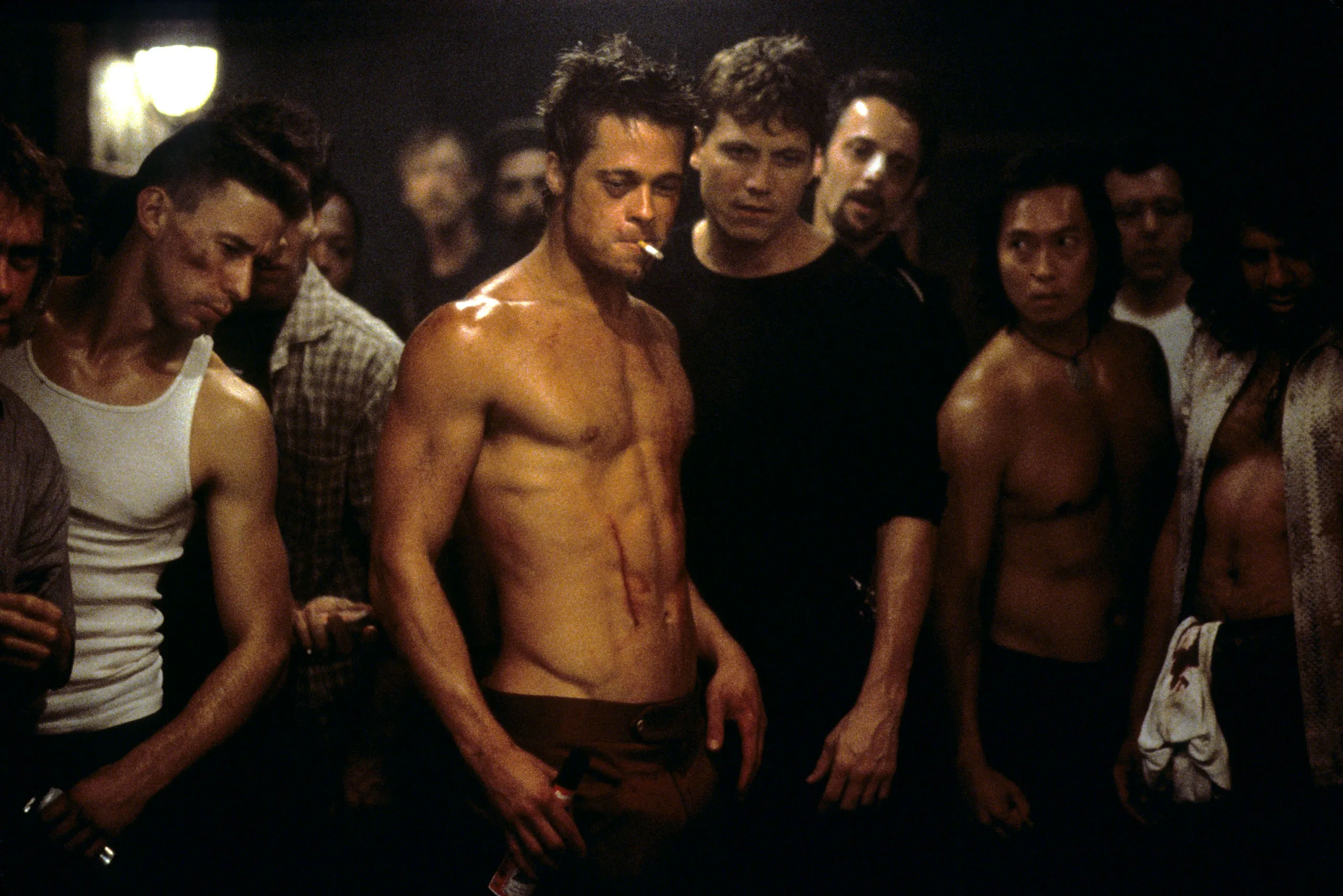

Fight Club: A Exploration of Identity and Consumerism

wherearewegoing.net – “Fight Club,” directed by David Fincher and released in 1999, is a film that has become a cultural phenomenon, known for its provocative themes and unexpected twists. Based on Chuck Palahniuk’s 1996 novel of the same name, the movie delves into the psyche of modern man, exploring themes of identity, consumerism, and rebellion. With its gritty visuals and philosophical undertones, “Fight Club” challenges viewers to question the norms of society and the constructs of self.

Plot Summary

The film follows an unnamed narrator, played by Edward Norton, who is an insomniac disillusioned with his white-collar job and materialistic lifestyle. He finds solace in attending support groups for various afflictions, pretending to suffer from their conditions. His mundane existence takes a dramatic turn when he meets Tyler Durden, portrayed by Brad Pitt, a charismatic soap salesman with a radical worldview.

Together, they form an underground fight club as an outlet for men to express their primal instincts and break free from societal constraints. The club quickly evolves into a broader anarchistic movement called Project Mayhem, which seeks to dismantle consumer culture and disrupt the status quo.

As the narrator becomes more entangled with Tyler’s ideology, he discovers a shocking truth about their relationship that forces him to confront the reality of his own identity and the chaos he helped unleash.

Themes and Symbolism

“Fight Club” explores the theme of identity, particularly the struggle to find authenticity in a world dominated by consumerist values. The narrator’s journey reflects the search for meaning and self-identity amidst societal pressures to conform.

Consumerism is critiqued throughout the film, with Tyler’s disdain for material possessions and corporate culture serving as a central motif. The fight club itself symbolizes a rebellion against the dehumanizing effects of capitalism, offering participants a sense of empowerment and liberation.

The film also delves into the duality of human nature, with Tyler representing the narrator’s repressed desires and unfulfilled potential. This duality is visually and narratively depicted, culminating in the film’s twist that challenges viewers’ perceptions of reality and self.

Critical Reception and Legacy

Upon its release, “Fight Club” received mixed reviews, with some critics praising its innovative storytelling and others criticizing its violent themes. Despite the initial controversy, the film has since gained a cult following and is celebrated for its bold narrative and cultural commentary.

“Fight Club” continues to be referenced in discussions about masculinity, consumerism, and anti-establishment sentiments. Its influence extends beyond cinema, impacting literature, philosophy, and popular culture.

Conclusion

“Fight Club” remains a compelling and thought-provoking film that challenges audiences to question societal norms and explore the depths of personal identity. Its exploration of consumerism and the quest for authenticity resonates with viewers, making it a timeless piece that continues to provoke debate and reflection. As the film’s tagline suggests, “The first rule of Fight Club is: you do not talk about Fight Club,” yet its impact ensures that it remains a topic of conversation for years to come.

The Role of Vodou in Benin’s Cultural Identity

wherearewegoing.net – Vodou, often spelled as Voodoo in the Western world, is a traditional spiritual practice deeply rooted in the cultural identity of Benin. Originating from West Africa, Vodou has evolved over centuries, blending indigenous beliefs with influences from other African traditions and, later, from the New World. This article explores the profound impact of Vodou on Benin’s cultural identity, its practices, and its significance in contemporary society.

Historical Background and Origins

Vodou is an ancient religion that predates the arrival of Islam and Christianity in Benin. Its origins can be traced back to the Fon people, one of the ethnic groups in Benin, who have practiced Vodou for centuries. The religion was spread through the transatlantic slave trade, leading to its adaptation and evolution in the Caribbean and the Americas.

Core Beliefs and Practices

Vodou is a complex spiritual system that involves the worship of deities known as Vodou loa or lwa. These spirits are intermediaries between the believers and a supreme creator. Vodou ceremonies often include music, dance, and ritual offerings to honor the lwa and seek their blessings. Practitioners believe that the lwa can influence various aspects of life, including health, prosperity, and protection.

Vodou and Cultural Identity

Vodou plays a crucial role in Benin’s cultural identity, serving as a unifying force among its diverse ethnic groups. It is not just a religion but a way of life that permeates social, economic, and political aspects of society. Vodou ceremonies and festivals, such as the Ouidah International Voodoo Festival, attract participants and tourists from around the world, showcasing Benin’s rich cultural heritage.

The Role of Vodou in Modern Benin

In contemporary Benin, Vodou continues to thrive alongside Christianity and Islam. The government officially recognizes Vodou as a national religion, and it enjoys a level of respect and acceptance that is unique in the African context. Vodou practitioners are often consulted for their wisdom and spiritual guidance, reflecting the religion’s enduring relevance in modern society.

Challenges and Misconceptions

Despite its cultural significance, Vodou faces misconceptions and stereotypes, largely due to its portrayal in Western media. These misrepresentations often depict Vodou as a form of black magic or sorcery, ignoring its deep spiritual and cultural value. Efforts are being made to educate both locals and foreigners about the true nature of Vodou and its role in Benin’s cultural identity.

Conclusion

Vodou is an integral part of Benin’s cultural identity, embodying the country’s rich history, spiritual beliefs, and social practices. Its enduring presence in contemporary society underscores the importance of understanding and respecting cultural diversity. As Benin continues to develop, Vodou remains a vital link to the nation’s past and a source of pride for its people.