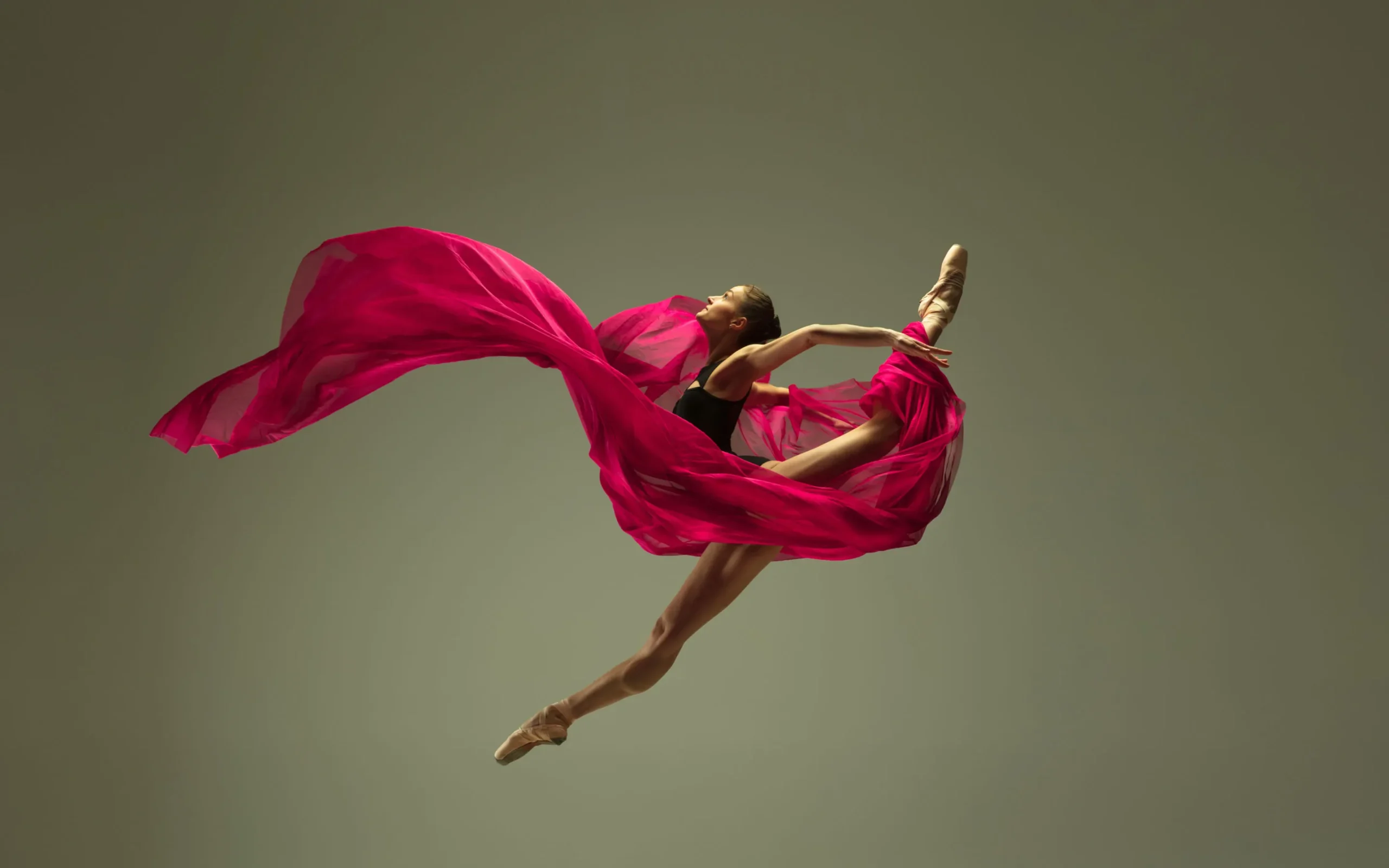
Nature’s Timeless Performance: Dance of the Elements

wherearewegoing.net – In the vast theater of the natural world, a perpetual performance unfolds — the “Dance of the Elements.” This captivating spectacle features Earth, Water, Air, and Fire, each element moving harmoniously in an intricate ballet that shapes our planet. Their dance is a testament to the dynamic and interconnected forces that sustain life and create the mesmerizing landscapes we cherish.

Earth: The Foundation

Earth, the grounding force, provides the stage for this elemental dance. Its solid presence forms the mountains, valleys, and plains, offering stability and resources for all living beings. The movement of tectonic plates and the slow but steady processes of erosion and sedimentation are Earth’s choreography, sculpting the land over millennia. This element’s dance is slow and deliberate, yet powerful in its ability to shape the world.

Water: The Flowing Rhythm

Water brings fluidity and grace to the dance, its currents and waves creating a rhythmic flow that connects all corners of the globe. Rivers carve paths through landscapes, while oceans embrace continents, and rain nourishes the land. Water’s adaptability and persistence are evident in its ability to transform from gentle streams to raging torrents, each movement essential to the cycle of life. Its dance is both soothing and invigorating, embodying the essence of change and renewal.

Air: The Invisible Partner

Air, though invisible, plays a vital role in the dance of the elements. It carries the breath of life, circulating around the planet as winds that shape weather patterns and climates. From gentle breezes to powerful storms, Air’s movements are unpredictable and dynamic, a reminder of nature’s untamed spirit. Its dance is one of freedom and spontaneity, influencing all it touches with an unseen yet undeniable presence.

Fire: The Passionate Force

Fire, the most vibrant of the elements, adds intensity and energy to the dance. It is both a creator and destroyer, capable of sparking new growth with its warmth while consuming the old. From the sun’s radiant energy to the flicker of a forest fire, Fire’s presence is a reminder of transformation and rebirth. Its dance is fierce and passionate, a testament to the power of light and heat in shaping our world.

The Interplay of Elements

Together, these elements create a dynamic interplay, each influencing and being influenced by the others. Their dance is a continuous cycle of creation and destruction, harmony and discord, reflecting the balance that sustains life on Earth. The Dance of the Elements is a reminder of the beauty and complexity of nature, inviting us to marvel at the forces that govern our world.

Conclusion

The “Dance of the Elements” is an awe-inspiring performance that unfolds before us every day. As we witness this dance, we are reminded of the interconnectedness of all things and the delicate balance required to maintain harmony in nature. Let us cherish and respect this timeless performance, for it is the foundation of life and the source of endless wonder.
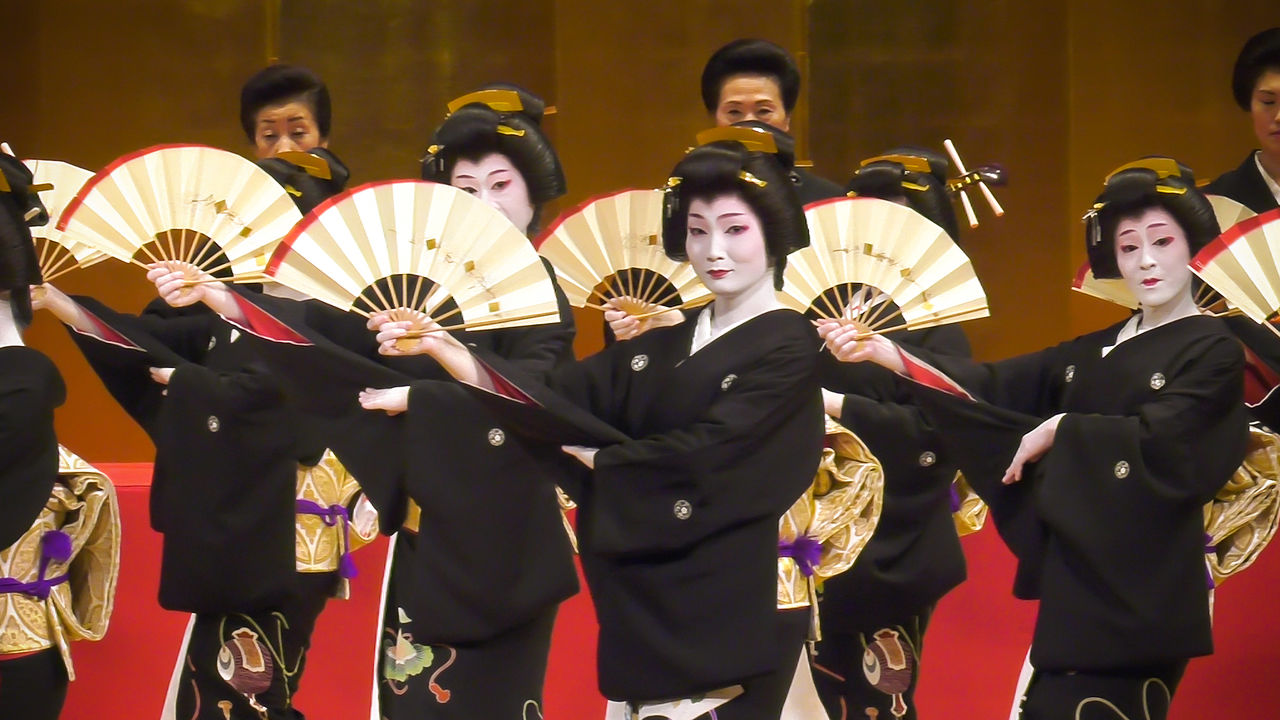
The Sagara Chochin: Japan’s Elegant Bamboo Dance

wherearewegoing.net – The Sagara Chochin, a mesmerizing dance performed with bamboo lanterns, is a unique and elegant tradition that has been celebrated in Japan for centuries. Originating from the Sagara region, this dance is a testament to the country’s rich cultural heritage and its deep connection with nature. The Sagara Chochin is not just a performance; it’s a celebration of light, movement, and the beauty of bamboo.

The Origins of the Dance

The origins of the Sagara Chochin can be traced back to the Edo period (1603-1868), when it was performed as a prayer for a bountiful harvest and to ward off evil spirits. The dance involves the use of bamboo lanterns, which are lit and swayed in rhythmic patterns, creating a stunning visual spectacle. Over the years, the dance has evolved, but its core essence remains unchanged, symbolizing the unity of the community and their respect for nature.

The Dance Performance

The highlight of the Sagara Chochin is the dance itself, which is performed by both men and women. The dancers, dressed in traditional attire, hold bamboo lanterns in their hands. As the music begins, they start to move in a synchronized manner, their steps graceful and precise. The lanterns, with their flickering lights, add an ethereal quality to the performance, casting shadows that dance along with the performers.

The rhythm of the dance is both calming and invigorating, reflecting the harmony between the dancers and the natural elements. The bamboo, a symbol of strength and flexibility, plays a central role in the performance, its rustling sounds blending with the music to create an enchanting atmosphere.

The Significance of Bamboo

Bamboo, a plant that is deeply revered in Japanese culture, plays a crucial role in the Sagara Chochin. It is not only used to make the lanterns but is also an integral part of the dance’s symbolism. Bamboo represents resilience, renewal, and growth, qualities that are highly valued in Japanese society. The use of bamboo in the dance is a tribute to these qualities and to the plant’s importance in Japanese life.

The Festival Today

Today, the Sagara Chochin is celebrated as part of a larger festival that attracts visitors from all over Japan and beyond. The festival includes various events, such as parades, traditional music performances, and food stalls, but the highlight remains the bamboo dance. The event is a celebration of community, culture, and tradition, bringing people together to honor the past while looking forward to the future.

Conclusion

The Sagara Chochin is more than just a dance; it’s a living tradition that embodies the spirit of Japan. It is a beautiful example of how art and culture can bring people together, transcending time and space. The dance, with its elegant movements and symbolic use of bamboo, continues to captivate audiences, reminding us of the enduring beauty and relevance of cultural heritage. As we watch the dancers sway with their lanterns, we are reminded of the importance of preserving such traditions, for they are a bridge to our past and a beacon for our future.