Pee Mak: A Delightful Blend of Horror and Comedy (2013)

wherearewegoing.net – “Pee Mak” is a 2013 Thai supernatural romantic comedy-horror film directed by Banjong Pisanthanakun. The film skillfully intertwines elements of traditional Thai folklore with humor and romance, making it one of Thailand’s highest-grossing films of all time. Starring Mario Maurer and Davika Hoorne, “Pee Mak” offers a refreshing take on the classic ghost story of Mae Nak Phra Khanong while delivering laughs and chills in equal measure.

Plot Overview

Set in Thailand during the Rattanakosin Kingdom era, the story follows Mak (played by Mario Maurer), who returns home from war with his four friends. Unbeknownst to Mak, his beloved wife Nak (played by Davika Hoorne) has died during childbirth and become a ghost. The plot thickens as Mak’s friends realize the truth about Nak, but they struggle to convince him, fearing his reaction. The narrative unfolds with a mix of slapstick comedy and suspense, as Mak’s friends devise humorous schemes to reveal Nak’s true nature.

Themes and Symbolism

“Pee Mak” explores themes of love, loyalty, and the fear of the supernatural. Despite its comedic approach, the film also touches on deeper emotional layers, examining how love can transcend even death. The character of Nak symbolizes unwavering devotion, while Mak’s obliviousness provides comedic relief and highlights the innocence of love. The film cleverly balances these themes with traditional Thai folklore, offering a modern twist on a beloved ghost story.

Cinematic Style

Banjong Pisanthanakun employs a visually engaging style, using vibrant cinematography to contrast the eerie ghostly elements with the lively antics of Mak and his friends. The film’s pacing is brisk, keeping audiences entertained with a seamless blend of horror and humor. Special effects are used sparingly but effectively, enhancing the supernatural aspect without overshadowing the comedic elements.

Critical Reception

“Pee Mak” was met with positive reviews from both critics and audiences, praised for its inventive storytelling and successful genre-bending. Its appeal extended beyond Thailand, capturing international audiences with its unique charm. The film’s success at the box office is a testament to its universal themes and entertaining narrative, solidifying its status as a cultural phenomenon in Thai cinema.

Conclusion

“Pee Mak” is a standout film that brilliantly combines horror and comedy, offering viewers an entertaining ride through Thai folklore. Its engaging plot, memorable characters, and clever humor make it a must-watch for fans of the genre. Whether you’re in the mood for a good laugh or a gentle scare, “Pee Mak” delivers both with heart and style, ensuring its place in the annals of Thai film history.
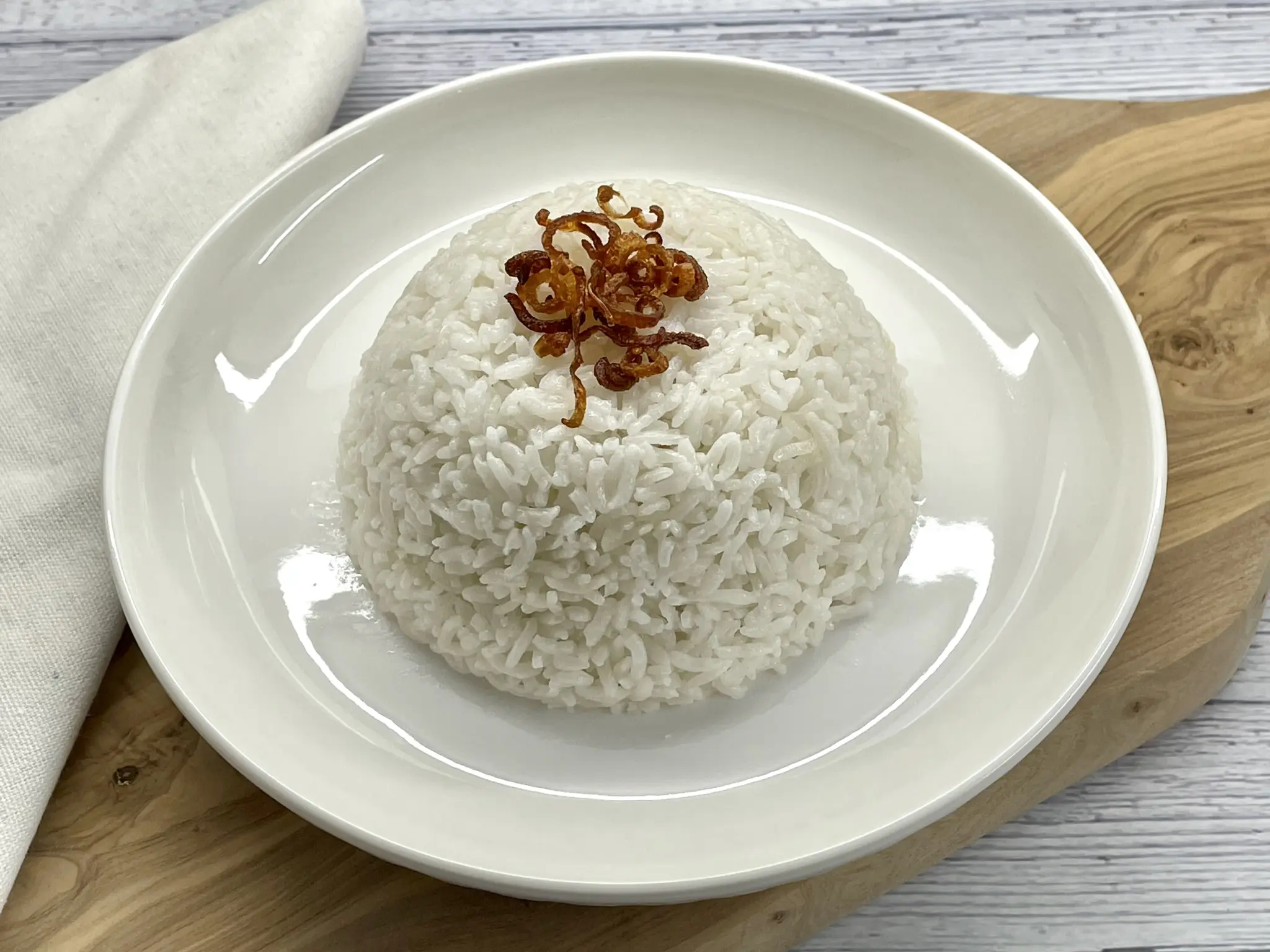
Discovering the Delightful Nasi Uduk (Coconut Rice)

wherearewegoing.net – Nasi Uduk is a fragrant and flavorful Indonesian dish that showcases the country’s love for aromatic ingredients and rich tastes. This coconut-infused rice is a popular choice for breakfast or lunch in Indonesia, especially in the bustling capital city of Jakarta. Known for its creamy texture and aromatic flavor, Nasi Uduk offers a delicious and satisfying meal that is often accompanied by a variety of side dishes.

The Origins of Nasi Uduk

The name “Nasi Uduk” comes from the Betawi language, where “uduk” signifies “mixed” or “blended”. This reflects how the rice is cooked, incorporating coconut milk, spices, and herbs to create a harmonious blend of flavors. The dish is believed to have originated from the Betawi people, the indigenous ethnic group native to Jakarta, and has since become a beloved staple across the country.

Key Ingredients and Preparation

The preparation of Nasi Uduk involves a simple yet meticulous process to ensure the rice is infused with the right flavors. Key ingredients include:

  • Rice: Typically, long-grain white rice is used for its ability to absorb flavors while maintaining a fluffy texture.
  • Coconut Milk: This is the star ingredient, lending the rice its creamy texture and rich taste.
  • Herbs and Spices: Aromatics such as lemongrass, bay leaves, pandan leaves, and galangal are used to enhance the fragrance and depth of flavor.
  • Seasonings: Salt and sometimes a hint of sugar are added to balance the richness of the coconut milk.

The rice is cooked by simmering it in coconut milk and spices, allowing it to absorb the flavors completely. The result is a fragrant and savory dish that serves as a versatile base for a variety of accompaniments.

Popular Accompaniments

Nasi Uduk is typically served with an array of side dishes that complement its rich flavor, including:

  • Fried Chicken or Tempeh: These provide a protein element, often marinated with spices for added flavor.
  • Sambal: A spicy chili paste that adds heat and depth to the dish.
  • Fried Shallots: These add a crunchy texture and a burst of savory flavor.
  • Cucumber and Boiled Egg: These offer freshness and balance to the richness of the rice.

Regional Variations

While the basic preparation of Nasi Uduk remains consistent, variations can be found throughout Indonesia. Some regions might add additional spices or serve the rice with different side dishes, reflecting local tastes and available ingredients.

Nasi Uduk’s Cultural Significance

Nasi Uduk is more than just a dish; it is a cultural symbol of communal dining and shared experiences. It is often enjoyed during special occasions, communal gatherings, and family meals, highlighting its role in bringing people together.

Conclusion

Nasi Uduk is a testament to the rich culinary traditions of Indonesia, showcasing the country’s ability to transform simple ingredients into a dish bursting with flavor and aroma. Whether enjoyed as a comforting meal at home or a festive dish at a celebration, Nasi Uduk continues to be a cherished part of Indonesian cuisine, loved for its delightful taste and cultural significance.