Central African Republic: A Country Dependent on Foreign Aid

wherearewegoing.net – The Central African Republic (CAR) is a landlocked nation in Central Africa, known for its vast mineral resources and diverse wildlife. However, despite its potential, the country has been marred by political instability, conflict, and economic challenges, making it one of the poorest and most aid-dependent countries in the world.

The Economic Landscape

The CAR’s economy is predominantly agrarian, with more than 80% of the population engaged in subsistence farming and pastoralism. The country is rich in natural resources, including diamonds, gold, uranium, and timber, which could be the backbone of a thriving economy. However, due to corruption, mismanagement, and the lack of infrastructure, these resources have not translated into economic development or improved living standards for the majority of the population.

Political Instability and Conflict

Since gaining independence from France in 1960, the CAR has experienced numerous coups, rebellions, and periods of dictatorial rule. The most recent bout of violence began in 2012 when the predominantly Muslim Seleka rebel coalition overthrew the government. This was followed by a backlash from Christian militias, leading to a sectarian conflict that has displaced hundreds of thousands of people and resulted in thousands of deaths.

Dependence on Foreign Aid

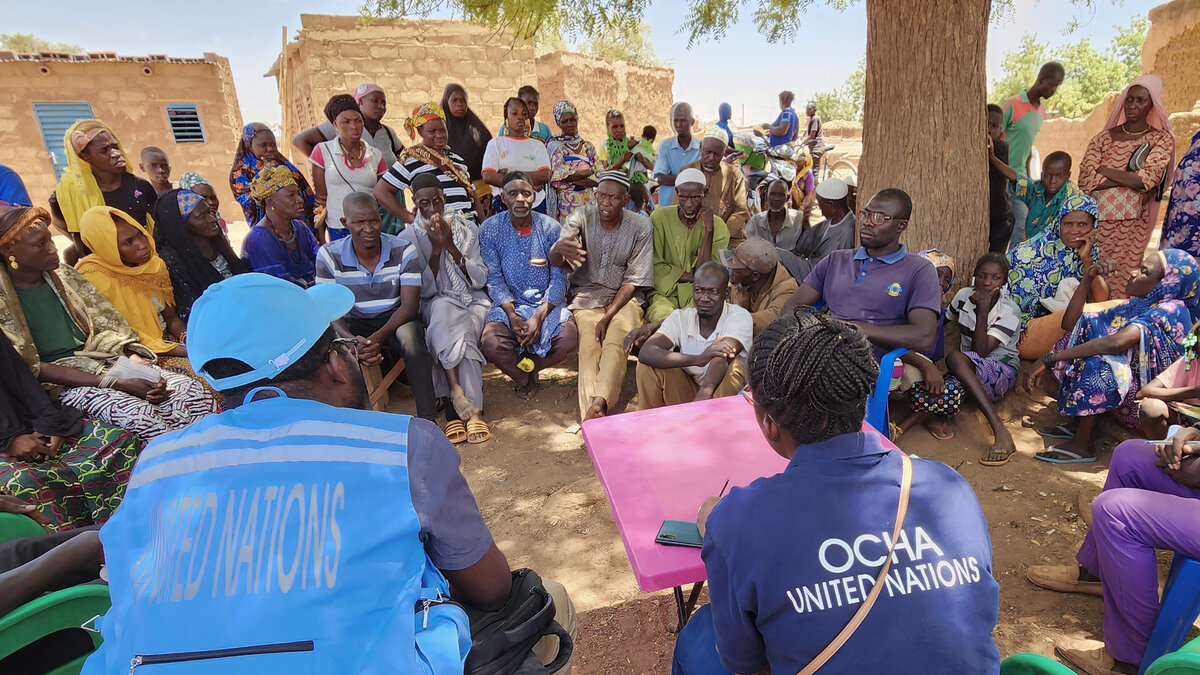
The ongoing conflict and economic mismanagement have left the CAR heavily reliant on foreign aid. The United Nations (UN) and various international organizations, along with donor countries, provide significant financial and humanitarian assistance to the CAR. This aid is crucial for addressing the immediate humanitarian needs of the population, including food, shelter, healthcare, and education.

Challenges and Opportunities

The CAR faces numerous challenges in its quest for stability and development. The lack of a strong, unified government capable of enforcing the rule of law and providing basic services is a significant obstacle. Additionally, the country’s vast size and poor infrastructure make it difficult to deliver aid effectively to all parts of the country.

Despite these challenges, there are opportunities for the CAR to improve its situation. The international community’s continued support, coupled with genuine efforts by the CAR’s leadership to implement reforms, could help stabilize the country and lay the groundwork for sustainable development.

Conclusion

The Central African Republic stands at a crossroads, with the potential for either continued reliance on foreign aid or a path towards self-sufficiency and prosperity. The journey towards stability and development will be long and fraught with challenges, but with concerted efforts from both the international community and the CAR’s leadership, there is hope for a brighter future for this troubled nation.
Journeys Through Dangerous Countries: The Heart of Darkness

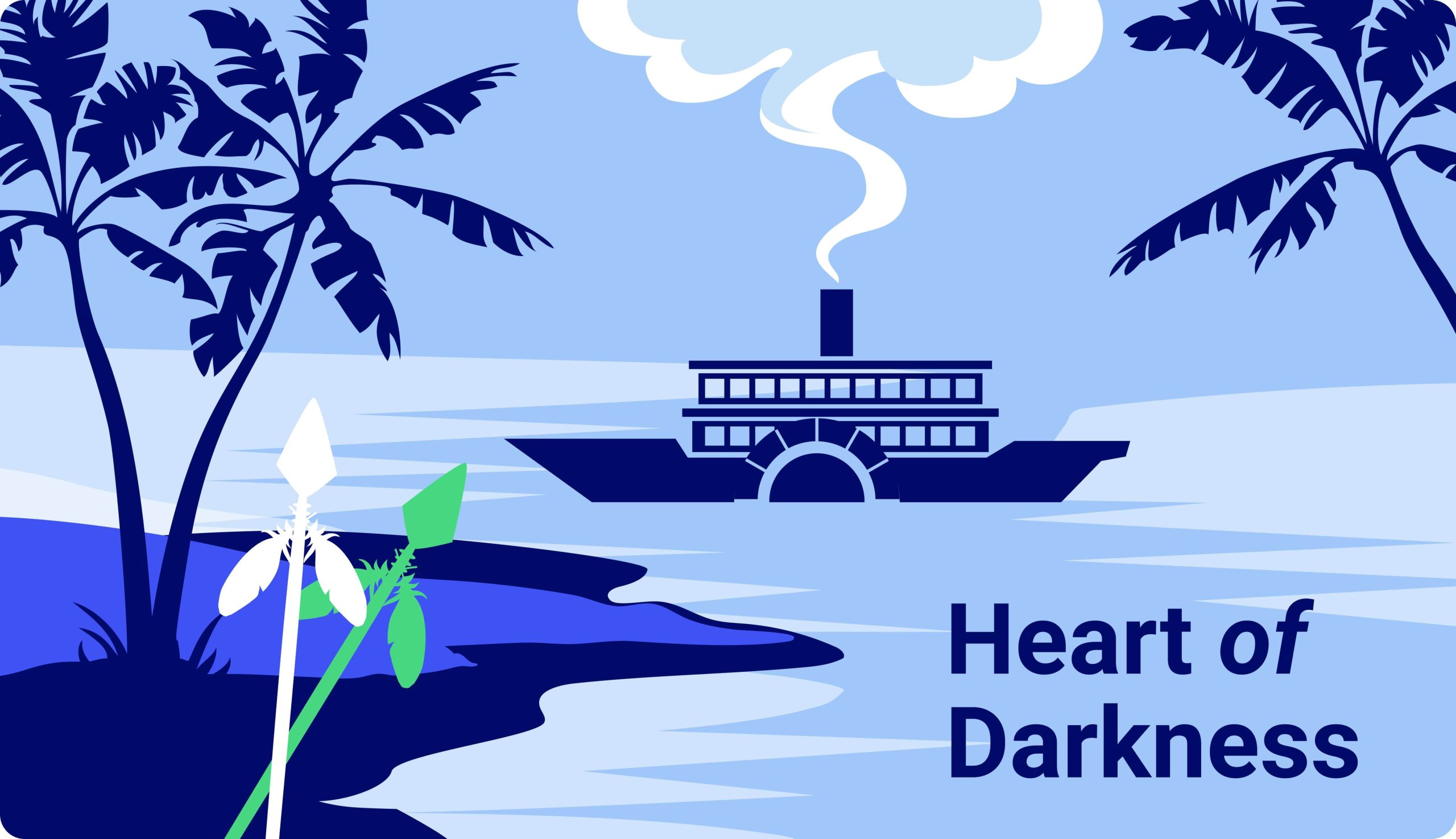
wherearewegoing.net – In the annals of exploration and adventure, few themes have captivated the human imagination quite like the journey into the unknown, into the heart of darkness. This phrase, immortalized by Joseph Conrad in his seminal novella “Heart of Darkness,” encapsulates the allure and peril of venturing into dangerous territories, both physical and psychological. Throughout history, intrepid explorers, driven by curiosity, greed, or the sheer thrill of discovery, have embarked on perilous journeys that have tested their limits and often challenged their very humanity.

The concept of the “heart of darkness” is not merely a geographical one; it is a metaphor for the uncharted territories within ourselves, the shadowy recesses of the human psyche where our deepest fears and darkest impulses reside. It is in these dangerous countries, both literal and figurative, that the true nature of human resilience and the capacity for both good and evil is laid bare.

One of the most iconic journeys into the heart of darkness was that of Henry Morton Stanley, the Welsh-American explorer who famously uttered the words “Dr. Livingstone, I presume?” upon finding the Scottish missionary and explorer in the African interior. Stanley’s expeditions through the Congo Basin and the mapping of the Congo River were monumental achievements that came at a great personal cost, exposing him and his men to disease, starvation, and the brutal realities of colonial exploitation.

The Arctic and Antarctic expeditions of the early 20th century also epitomize the human quest to conquer the unknown. The race to the South Pole between Roald Amundsen and Robert Falcon Scott, and the tragic fate of the latter’s expedition, are stark reminders of the dangers that await those who dare to venture into nature’s most inhospitable realms. The frozen wastelands of the polar regions, with their extreme cold and isolation, serve as a stark backdrop for tales of endurance, heroism, and tragedy.

In the modern era, the concept of the heart of darkness has evolved to encompass not just physical but also social and political landscapes. War zones, failed states, and regions ravaged by conflict and instability have become the new frontiers for those seeking to understand the darker aspects of human nature. Journalists, aid workers, and conflict photographers are among those who journey into these dangerous countries, often at great personal risk, to bear witness to the suffering and to bring the world’s attention to the plight of those caught in the crossfire.

The digital age has also introduced new dimensions to the concept of the heart of darkness. The vast, unregulated expanse of the internet, with its hidden corners and anonymous actors, has become a territory where the darker aspects of human behavior can flourish. Cybercrime, online radicalization, and the spread of misinformation are just a few of the challenges that emerge from this virtual heart of darkness.

Despite the dangers, the allure of the heart of darkness remains undiminished. It is a testament to the human spirit’s insatiable curiosity and its capacity for both courage and folly. Whether it is the physical dangers of uncharted wilderness, the moral ambiguities of conflict zones, or the existential threats of the digital realm, the journey into the heart of darkness continues to fascinate and inspire.

In the end, the heart of darkness is not just a destination to be reached; it is a mirror that reflects the complexities of the human condition. It challenges us to confront our fears, to question our motives, and to understand the depths of our own capacity for both heroism and villainy. As we continue to explore these dangerous countries, both within and without, we are reminded of the enduring truth that the greatest adventures often lie in the journey, not the destination.