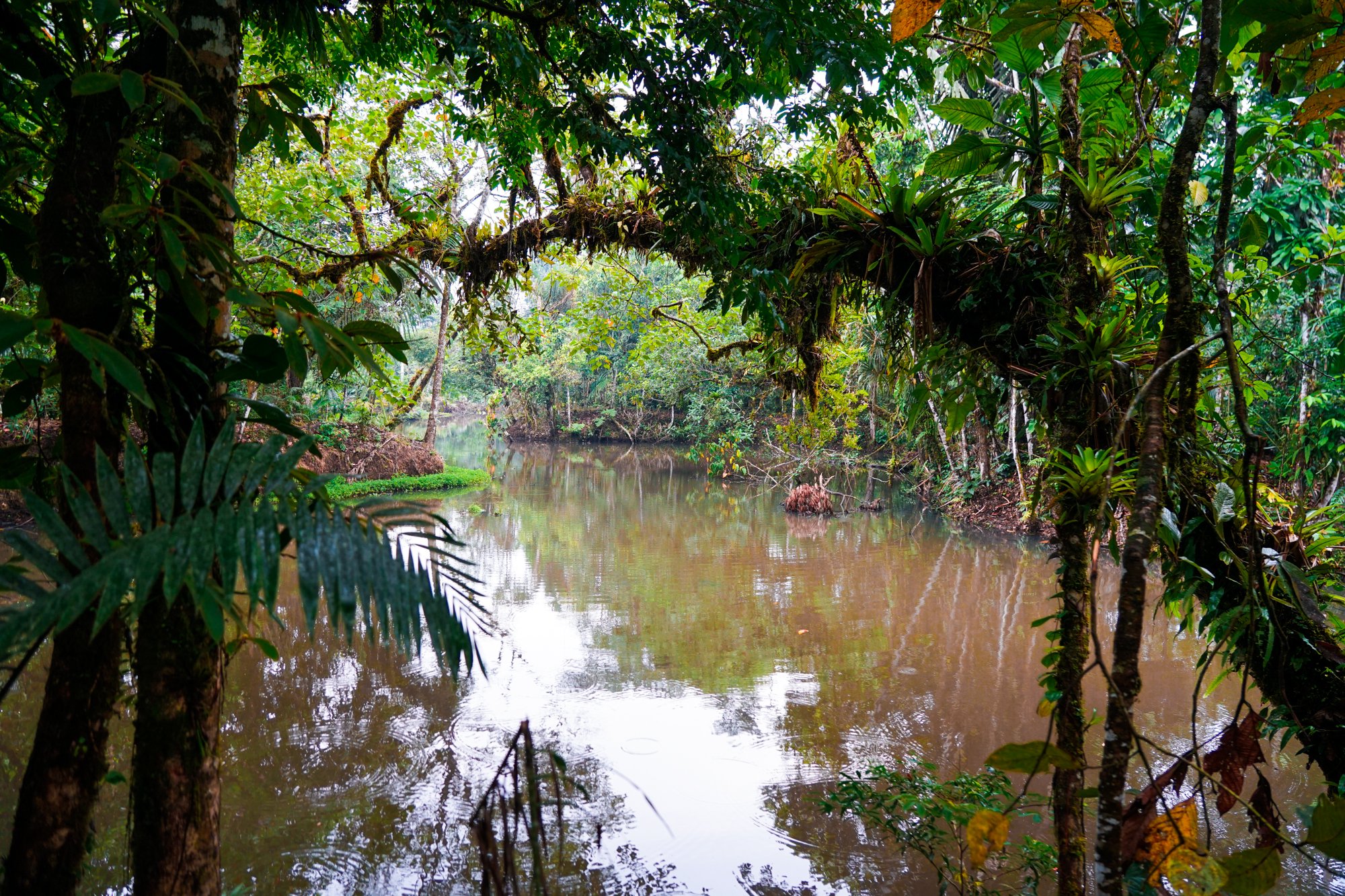
Pastaza: Ecuador’s Amazonian Heart A Wild & Untamed Frontier

wherearewegoing.net – Pastaza, a province nestled in the heart of Ecuador’s Amazon rainforest, is a captivating destination that offers a unique blend of natural beauty, cultural diversity, and adventure. With its lush rainforests, diverse wildlife, and vibrant indigenous communities, Pastaza invites travelers to explore its untamed wilderness.

Puyo: The Amazonian Gateway

Puyo, the provincial capital, is a gateway to the Amazon rainforest. The city offers a mix of modern amenities and traditional culture. Visitors can explore the local markets, sample regional cuisine, or embark on a jungle adventure.

Natural Wonders and Outdoor Adventures

Pastaza is a paradise for nature lovers and outdoor enthusiasts. The province’s diverse ecosystems, ranging from cloud forests to Amazonian lowlands, offer endless opportunities for exploration.

  • Sangay National Park: A UNESCO World Heritage Site, Sangay National Park is a vast wilderness area that encompasses active volcanoes, glaciers, cloud forests, and Amazonian lowlands. Visitors can hike through lush forests, spot diverse wildlife, or climb the challenging peaks of the Sangay volcano.
  • Amazonian Rainforest: The Amazon rainforest in Pastaza is home to a diverse range of wildlife, including monkeys, sloths, tapirs, and countless bird species. Visitors can go on guided tours, canoe down rivers, or simply relax in the tranquility of the rainforest.

Indigenous Culture and Traditions

Pastaza is home to several indigenous communities, including the Kichwa, Waorani, and Shuar. These communities have preserved their unique cultural traditions, including traditional clothing, music, dance, and handicrafts. Visitors can experience the rich cultural heritage of these communities by visiting local villages, participating in cultural activities, or learning about their traditional practices.

A Culinary Delight

Pastaza’s cuisine is a fusion of indigenous and Spanish influences. Local specialties include dishes made with yucca, plantains, and tropical fruits. Visitors can also sample traditional indigenous cuisine, which often includes wild game and medicinal plants.

Pastaza, with its pristine rainforests, vibrant indigenous cultures, and abundant wildlife, offers a truly unforgettable experience. For those seeking adventure, cultural immersion, and a connection with nature, this Amazonian paradise is the perfect destination.
The Heart of the Amazon: Discovering Manaus

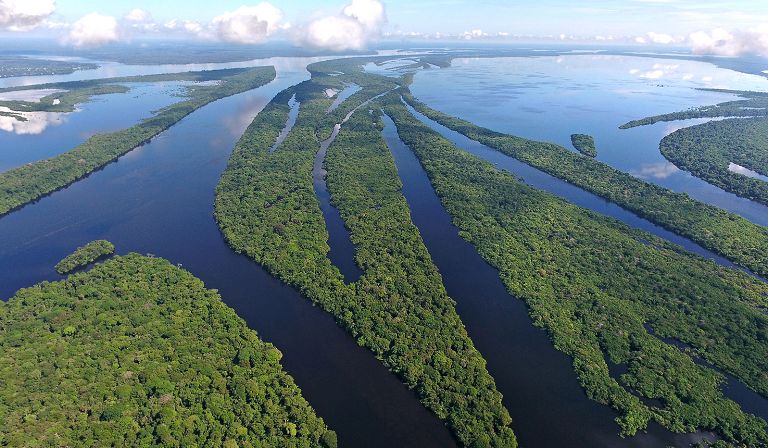
wherearewegoing.net – Nestled in the heart of the Amazon rainforest, Manaus is a unique city that serves as the capital of the Brazilian state of Amazonas. Known for its rich biodiversity, vibrant culture, and historical significance, Manaus is a gateway to one of the world’s most extraordinary natural wonders—the Amazon River.

A City with a Rich History

Manaus was founded in 1669 as a fort, and its name is derived from the indigenous Manaós people, who once inhabited the area. The city gained prominence during the late 19th century rubber boom, which brought significant wealth and transformed Manaus into a bustling urban center. This era left a lasting legacy, evident in the city’s architecture, such as the opulent Amazon Theatre, a symbol of the city’s prosperity during that time.

Gateway to the Amazon

Manaus’s unique location makes it a crucial entry point to the Amazon rainforest. The city is surrounded by lush, dense jungle, offering unparalleled opportunities for eco-tourism and adventure. Visitors can explore the incredible biodiversity of the rainforest, with its countless species of plants, animals, and insects. Popular activities include guided jungle tours, river cruises, and visits to indigenous communities to learn about their traditional ways of life.

One of the most fascinating natural phenomena near Manaus is the “Meeting of the Waters,” where the dark waters of the Rio Negro and the sandy-colored waters of the Solimões River flow side by side without mixing for several kilometers. This striking visual effect is a must-see for anyone visiting the region.

Cultural Melting Pot

Manaus is a cultural melting pot, with a diverse population that includes indigenous peoples, descendants of European settlers, and immigrants from various parts of Brazil and the world. This diversity is reflected in the city’s cultural offerings, including festivals, music, and cuisine. The Boi Bumbá festival, celebrated annually, is a vibrant display of music, dance, and folklore, highlighting the city’s rich cultural heritage.

The local cuisine is heavily influenced by the abundance of the rainforest and rivers, featuring exotic fruits and fresh fish. Dishes like tacacá, a traditional soup, and pirarucu, a local fish often referred to as the “giant of the Amazon,” offer unique flavors that are distinct to the region.

Challenges and Conservation Efforts

Manaus, like many cities within the Amazon, faces challenges related to environmental conservation and sustainable development. Deforestation and the impact of urbanization pose significant threats to the delicate ecosystem. However, there are ongoing efforts to promote sustainable practices and raise awareness about the importance of preserving the Amazon rainforest. Initiatives include conservation programs, sustainable tourism practices, and scientific research aimed at understanding and protecting this vital region.

Conclusion

Manaus is a city that offers a unique blend of natural beauty, cultural richness, and historical intrigue. As the gateway to the Amazon, it provides an unparalleled opportunity to explore one of the planet’s most biodiverse and awe-inspiring landscapes. Whether you’re venturing into the jungle, enjoying the local culture, or exploring its historical landmarks, Manaus promises an unforgettable experience that highlights the beauty and complexity of the Amazon.

Journeys Through Dangerous Countries: The Heart of Darkness

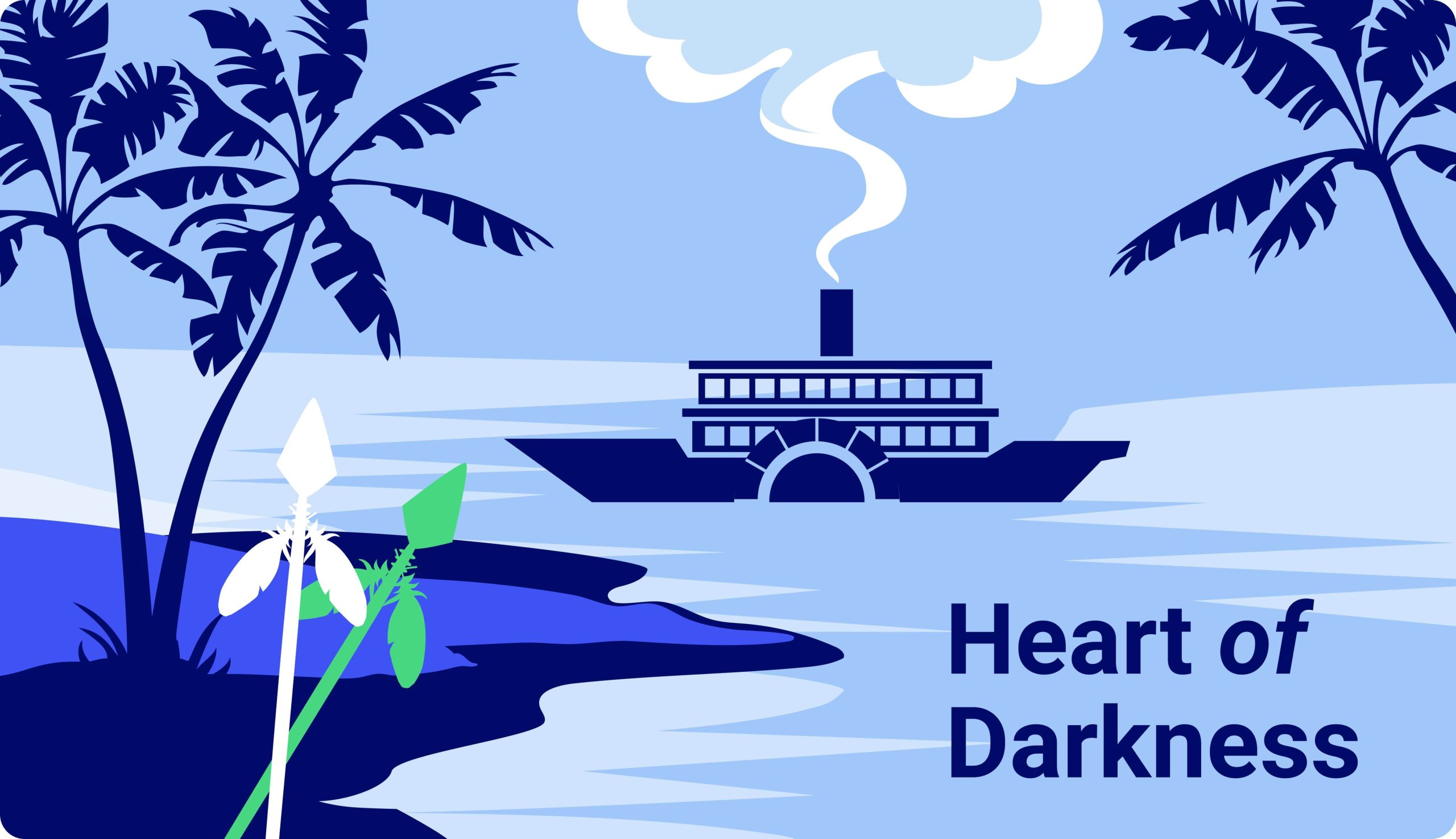
wherearewegoing.net – In the annals of exploration and adventure, few themes have captivated the human imagination quite like the journey into the unknown, into the heart of darkness. This phrase, immortalized by Joseph Conrad in his seminal novella “Heart of Darkness,” encapsulates the allure and peril of venturing into dangerous territories, both physical and psychological. Throughout history, intrepid explorers, driven by curiosity, greed, or the sheer thrill of discovery, have embarked on perilous journeys that have tested their limits and often challenged their very humanity.

The concept of the “heart of darkness” is not merely a geographical one; it is a metaphor for the uncharted territories within ourselves, the shadowy recesses of the human psyche where our deepest fears and darkest impulses reside. It is in these dangerous countries, both literal and figurative, that the true nature of human resilience and the capacity for both good and evil is laid bare.

One of the most iconic journeys into the heart of darkness was that of Henry Morton Stanley, the Welsh-American explorer who famously uttered the words “Dr. Livingstone, I presume?” upon finding the Scottish missionary and explorer in the African interior. Stanley’s expeditions through the Congo Basin and the mapping of the Congo River were monumental achievements that came at a great personal cost, exposing him and his men to disease, starvation, and the brutal realities of colonial exploitation.

The Arctic and Antarctic expeditions of the early 20th century also epitomize the human quest to conquer the unknown. The race to the South Pole between Roald Amundsen and Robert Falcon Scott, and the tragic fate of the latter’s expedition, are stark reminders of the dangers that await those who dare to venture into nature’s most inhospitable realms. The frozen wastelands of the polar regions, with their extreme cold and isolation, serve as a stark backdrop for tales of endurance, heroism, and tragedy.

In the modern era, the concept of the heart of darkness has evolved to encompass not just physical but also social and political landscapes. War zones, failed states, and regions ravaged by conflict and instability have become the new frontiers for those seeking to understand the darker aspects of human nature. Journalists, aid workers, and conflict photographers are among those who journey into these dangerous countries, often at great personal risk, to bear witness to the suffering and to bring the world’s attention to the plight of those caught in the crossfire.

The digital age has also introduced new dimensions to the concept of the heart of darkness. The vast, unregulated expanse of the internet, with its hidden corners and anonymous actors, has become a territory where the darker aspects of human behavior can flourish. Cybercrime, online radicalization, and the spread of misinformation are just a few of the challenges that emerge from this virtual heart of darkness.

Despite the dangers, the allure of the heart of darkness remains undiminished. It is a testament to the human spirit’s insatiable curiosity and its capacity for both courage and folly. Whether it is the physical dangers of uncharted wilderness, the moral ambiguities of conflict zones, or the existential threats of the digital realm, the journey into the heart of darkness continues to fascinate and inspire.

In the end, the heart of darkness is not just a destination to be reached; it is a mirror that reflects the complexities of the human condition. It challenges us to confront our fears, to question our motives, and to understand the depths of our own capacity for both heroism and villainy. As we continue to explore these dangerous countries, both within and without, we are reminded of the enduring truth that the greatest adventures often lie in the journey, not the destination.