Central African Republic: A Country Dependent on Foreign Aid

wherearewegoing.net – The Central African Republic (CAR) is a landlocked nation in Central Africa, known for its vast mineral resources and diverse wildlife. However, despite its potential, the country has been marred by political instability, conflict, and economic challenges, making it one of the poorest and most aid-dependent countries in the world.

The Economic Landscape

The CAR’s economy is predominantly agrarian, with more than 80% of the population engaged in subsistence farming and pastoralism. The country is rich in natural resources, including diamonds, gold, uranium, and timber, which could be the backbone of a thriving economy. However, due to corruption, mismanagement, and the lack of infrastructure, these resources have not translated into economic development or improved living standards for the majority of the population.

Political Instability and Conflict

Since gaining independence from France in 1960, the CAR has experienced numerous coups, rebellions, and periods of dictatorial rule. The most recent bout of violence began in 2012 when the predominantly Muslim Seleka rebel coalition overthrew the government. This was followed by a backlash from Christian militias, leading to a sectarian conflict that has displaced hundreds of thousands of people and resulted in thousands of deaths.

Dependence on Foreign Aid

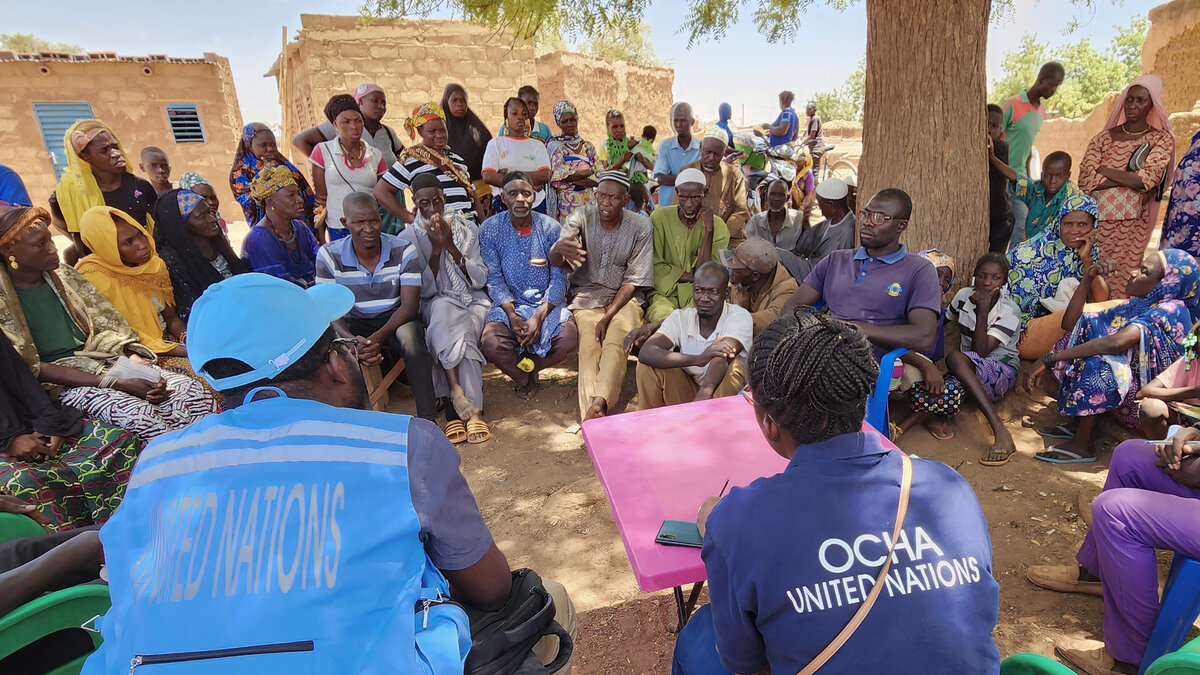
The ongoing conflict and economic mismanagement have left the CAR heavily reliant on foreign aid. The United Nations (UN) and various international organizations, along with donor countries, provide significant financial and humanitarian assistance to the CAR. This aid is crucial for addressing the immediate humanitarian needs of the population, including food, shelter, healthcare, and education.

Challenges and Opportunities

The CAR faces numerous challenges in its quest for stability and development. The lack of a strong, unified government capable of enforcing the rule of law and providing basic services is a significant obstacle. Additionally, the country’s vast size and poor infrastructure make it difficult to deliver aid effectively to all parts of the country.

Despite these challenges, there are opportunities for the CAR to improve its situation. The international community’s continued support, coupled with genuine efforts by the CAR’s leadership to implement reforms, could help stabilize the country and lay the groundwork for sustainable development.

Conclusion

The Central African Republic stands at a crossroads, with the potential for either continued reliance on foreign aid or a path towards self-sufficiency and prosperity. The journey towards stability and development will be long and fraught with challenges, but with concerted efforts from both the international community and the CAR’s leadership, there is hope for a brighter future for this troubled nation.
Low-Cost Travel in Morocco: African Gems

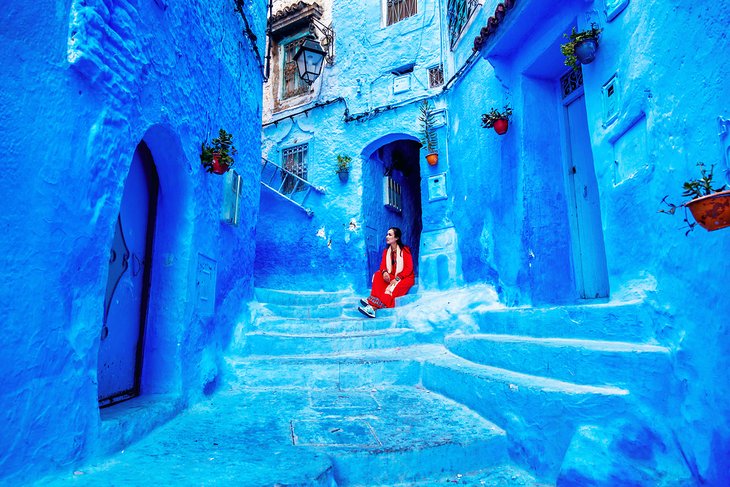
wherearewegoing.net – Morocco, a country where the African Sahara meets the Atlantic Ocean, is a land of diverse cultures, breathtaking landscapes, and vibrant traditions. Known for its bustling souks, historic medinas, and stunning architecture, Morocco offers a unique travel experience that doesn’t have to break the bank. With careful planning and an adventurous spirit, travelers can explore the rich tapestry of Moroccan culture without spending a fortune.

Budget Accommodation

One of the keys to low-cost travel in Morocco is finding affordable accommodation. From traditional riads to budget hostels, there’s a wide range of options to suit every traveler’s needs. In cities like Marrakech and Fez, budget-friendly riads offer a taste of Moroccan luxury at a fraction of the cost. These traditional houses with interior gardens provide a peaceful retreat from the bustling streets outside. Hostels are also a great option for solo travelers or those looking to meet fellow adventurers. Many hostels in Morocco offer comfortable dorm beds, free Wi-Fi, and communal areas to relax and socialize.

Affordable Eats

Moroccan cuisine is a delightful blend of flavors, and sampling the local food is a must. Fortunately, eating like a local in Morocco won’t cost you much. Street food vendors offer a variety of affordable options, from tangy harira soup to fluffy bread and spicy merguez sausages. For a more substantial meal, head to a local cafĂ© or restaurant where you can enjoy a hearty tagine or couscous for a reasonable price. Don’t miss the chance to try Morocco’s national dish, tajine, a slow-cooked savory stew, served with bread or couscous, which is both filling and inexpensive.

Cost-Effective Transportation

Getting around Morocco on a budget is surprisingly easy. The country has an extensive network of buses and trains that connect major cities and towns. CTM buses are a popular choice for travelers due to their reliability and comfort. For even lower fares, consider taking the local buses, known as “grands taxis” or “petits taxis,” which are shared taxis that follow fixed routes. If you’re feeling adventurous, hitchhiking is also a common practice in Morocco, especially in rural areas.

Free and Low-Cost Attractions

Morocco is rich in history and culture, and many of its attractions are either free or offer very low admission fees. Walking through the ancient medinas of Marrakech, Fez, and Tangier is an experience in itself, with no cost other than the occasional mint tea or snack from a street vendor. The majestic Atlas Mountains offer free hiking trails with stunning views, while the coastal cities of Essaouira and Agadir provide beautiful beaches at no charge. For a small fee, visitors can explore historic sites like the Roman ruins of Volubilis or the Saadian Tombs in Marrakech.

Shopping on a Budget

No trip to Morocco would be complete without a visit to the souks, the traditional Moroccan markets. Here, travelers can find everything from handwoven rugs and leather goods to spices and jewelry. Haggling is expected, so don’t be afraid to negotiate prices. For the best deals, head to the souks in smaller towns or visit during the off-peak season. Remember, it’s not just about the purchase; the experience of shopping in a Moroccan souk is a cultural adventure in itself.

Conclusion

Morocco is a treasure trove of experiences waiting to be discovered. With its affordable accommodation, delicious and inexpensive cuisine, cost-effective transportation, and wealth of free and low-cost attractions, Morocco is an ideal destination for budget-conscious travelers. By embracing the local way of life and exploring with an open mind, visitors can enjoy the beauty and culture of Morocco without overspending. So pack your bags, and get ready for an unforgettable adventure in this enchanting North African gem.