
The Tropical Treat: A Comprehensive Look at Papayas

wherearewegoing.net – Papayas, with their vibrant orange color and sweet, tropical flavor, are a beloved fruit worldwide. These versatile fruits are not only delicious but also packed with essential vitamins, minerals, and antioxidants. From their culinary uses to their health benefits, papayas have earned their place as a popular fruit.

A Brief History

Papayas are believed to have originated in Central America, where they have been cultivated for centuries. They were introduced to other tropical regions by Spanish explorers in the 16th century. Today, papayas are grown in many tropical and subtropical countries, including India, Thailand, Brazil, and Mexico.

Nutritional Benefits

Papayas are a nutritional powerhouse, offering a range of health benefits:

  • Vitamin C: Papayas are an excellent source of vitamin C, which is essential for immune function and skin health.
  • Vitamin A: Papayas are a good source of vitamin A, which is important for vision and overall health.
  • Potassium: Potassium is essential for maintaining healthy blood pressure.
  • Fiber: Papayas are a good source of fiber, which aids in digestion and promotes satiety.
  • Papain: Papain is an enzyme found in papayas that may help improve digestion and reduce inflammation.

Culinary Uses

Papayas are a versatile ingredient that can be used in a variety of dishes:

  • Fresh: Papayas can be eaten fresh, peeled, and sliced.
  • Smoothies: Papayas are a popular ingredient in smoothies, adding sweetness and a tropical flavor.
  • Salads: Papayas can add a burst of sweetness and color to salads.
  • Desserts: Papayas can be used to make ice cream, sorbets, and other desserts.
  • Sauces and Chutneys: Papayas can be used to make chutneys, salsas, and other sauces.

Health Benefits

In addition to their nutritional value, papayas have several health benefits:

  • Digestive Health: The fiber and papain in papayas can help improve digestion and relieve constipation.
  • Skin Health: The vitamin C and antioxidants in papayas can help protect the skin from damage caused by free radicals.
  • Heart Health: The potassium in papayas can help reduce blood pressure and lower the risk of heart disease.
  • Immune Boost: The vitamin C in papayas can help boost the immune system and protect against infections.

Selecting and Storing Papayas

When selecting papayas, choose fruits that are firm, heavy for their size, and have a vibrant orange color. Avoid papayas with blemishes or soft spots. To ripen papayas, store them at room temperature. Once ripe, store them in the refrigerator to slow down the ripening process.

Conclusion

Papayas, with their sweet, tropical flavor, vibrant color, and numerous health benefits, are a delicious and nutritious fruit. Whether you’re enjoying them fresh, in a smoothie, or in a variety of dishes, papayas are sure to satisfy your taste buds and nourish your body.

Arsenic and Its Allotropes: A Comprehensive Study

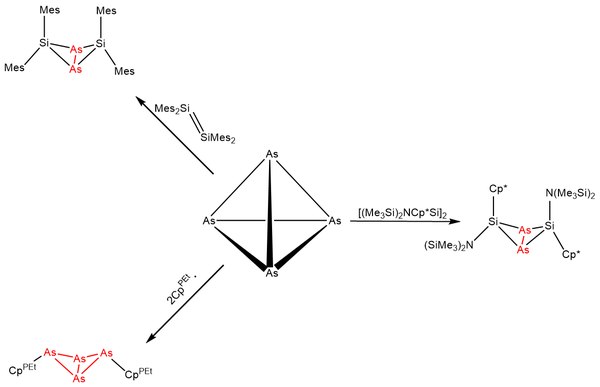
wherearewegoing.net – Arsenic, a chemical element with the symbol As and atomic number 33, is a metalloid that exhibits a variety of allotropes. These allotropes are different structural forms of the same element, each with distinct physical and chemical properties. This article provides a detailed overview of the main allotropes of arsenic, their structures, and their potential applications.

Main Allotropes of Arsenic

1. Grey Arsenic (α-As)

Grey arsenic is the most stable allotrope at ambient conditions. It consists of layers of puckered hexagons in a rhombohedral crystal structure. The atoms in grey arsenic adopt a layered arrangement, which gives it unique mechanical and electronic properties.

2. Yellow Arsenic (α-As4)

Yellow arsenic is composed of As4 tetrahedra. This allotrope is less stable than grey arsenic and is typically formed under high-pressure conditions. The tetrahedral structure of yellow arsenic contributes to its distinct optical and electronic properties.

3. Black Arsenic

Black arsenic is another allotrope of arsenic, which has a layered structure similar to grey arsenic but with a different arrangement of atoms. This allotrope is also less stable than grey arsenic and is formed under specific conditions.

Additional Allotropes and Nanostructures

4. Semiconducting Layered Arsenic

Recent studies have proposed four different thermodynamically stable structural phases of arsenic monolayers. These phases exhibit unique electronic properties and can switch into a topological insulator via an electric field, making them promising for future electronic applications.

5. Icosahedral and Ring-Shaped Allotropes

Predictive studies have suggested the existence of two novel families of arsenic nanostructures: icosahedral cages and ring-shaped chains. These nanostructures have been predicted to exhibit unique mechanical and electronic properties, which could be exploited in nanotechnology.

6. K4 Arsenic

A new stable direct-gap arsenic allotrope, K4 arsenic, has been discovered. Unlike the known stable crystalline arsenic allotropes with layered structure at ambient conditions, K4 arsenic is a non-layered 3D phase. This allotrope exhibits dynamic stability and unique electronic properties.

Applications and Potential

The study of arsenic and its allotropes provides valuable insights for the development of next-generation materials. The unique structures and properties of these allotropes make them suitable for various applications, including:

  • Electronic Devices: The semiconducting properties of certain arsenic allotropes make them promising for use in electronic devices, particularly in the development of topological insulators and other advanced electronic materials.
  • Nanotechnology: The predicted icosahedral and ring-shaped allotropes of arsenic could be used in the design of novel nanomaterials with unique mechanical and electronic properties.
  • Thermoelectric Applications: Research on the thermoelectric properties of arsenic monolayers has shown potential for their use in energy conversion technologies.

Conclusion

Arsenic and its allotropes represent a fascinating area of study with significant implications for materials science and technology. The unique structures and properties of these allotropes offer a wealth of opportunities for the development of new materials and technologies. Continued research in this field is expected to uncover even more potential applications and deepen our understanding of the fundamental properties of arsenic.

A Comprehensive Guide: The Fascinating World of Hamsters

wherearewegoing.net – Hamsters are small, furry rodents that have become popular pets due to their cute appearance and relatively simple care requirements. Originating from the Middle East, these nocturnal creatures are known for their distinctive pouches, which they use to carry food and nesting materials. In this article, we will explore the different types of hamsters, their care needs, and the joy they can bring to pet owners.

Understanding Hamster Species

There are several species of hamsters that are commonly kept as pets, each with its own unique characteristics and behaviors. The most popular types include:

Syrian Hamsters

Syrian hamsters, also known as teddy bear hamsters, are the largest and most common type of pet hamster. They are known for their docile nature and are generally easy to handle. Syrian hamsters come in a variety of colors and patterns and have long, silky fur.

Dwarf Hamsters

Dwarf hamsters are smaller than Syrian hamsters and are known for their playful and energetic personalities. There are several types of dwarf hamsters, including the Roborovski, Campbell’s Russian, Winter White Russian, and Chinese hamsters. Each of these species has its own distinct appearance and temperament.

Hamster Care Essentials

Caring for a hamster involves providing a suitable habitat, a balanced diet, regular exercise, and proper hygiene.

Habitat

A hamster’s habitat should be spacious, with plenty of bedding material for burrowing. It should also include a wheel for exercise, hiding places, and toys to keep the hamster entertained. The cage should be cleaned regularly to maintain a healthy environment.

Diet

Hamsters are omnivores and require a diet that includes high-quality hamster food, fresh vegetables, and occasional treats like fruits or nuts. It’s important to avoid foods that are high in sugar or fat, as these can lead to health problems.

Exercise

Regular exercise is crucial for a hamster’s physical and mental health. A hamster wheel is an excellent source of exercise, but it’s also important to provide opportunities for the hamster to explore outside of its cage under supervision.

Hygiene

Hamsters are clean animals and groom themselves regularly. However, they may require occasional baths if they are unable to keep themselves clean due to old age or illness. Owners should also trim their hamster’s nails as needed to prevent injury.

The Joy of Hamster Ownership

Hamsters can make wonderful pets for people of all ages. They are relatively low-maintenance and can provide hours of entertainment with their playful antics. Watching a hamster navigate a maze or stuff its cheeks full of food can be a source of great amusement.

Bonding with Your Hamster

Building a bond with your hamster takes time and patience. Handling your hamster gently and speaking softly can help it become accustomed to your presence. Some hamsters may even learn to take food from your hand or enjoy being gently petted.

Health Considerations

Like all pets, hamsters can face health issues. Common problems include dental issues, obesity, and diabetes. Regular check-ups with a veterinarian who is experienced with small animals can help catch and treat these problems early.

Conclusion

Hamsters are delightful little creatures that can bring joy to any home. With the right care and attention, they can be rewarding pets that provide companionship and entertainment. Whether you’re considering a Syrian hamster for its gentle nature or a dwarf hamster for its playful spirit, these small rodents are sure to capture your heart.