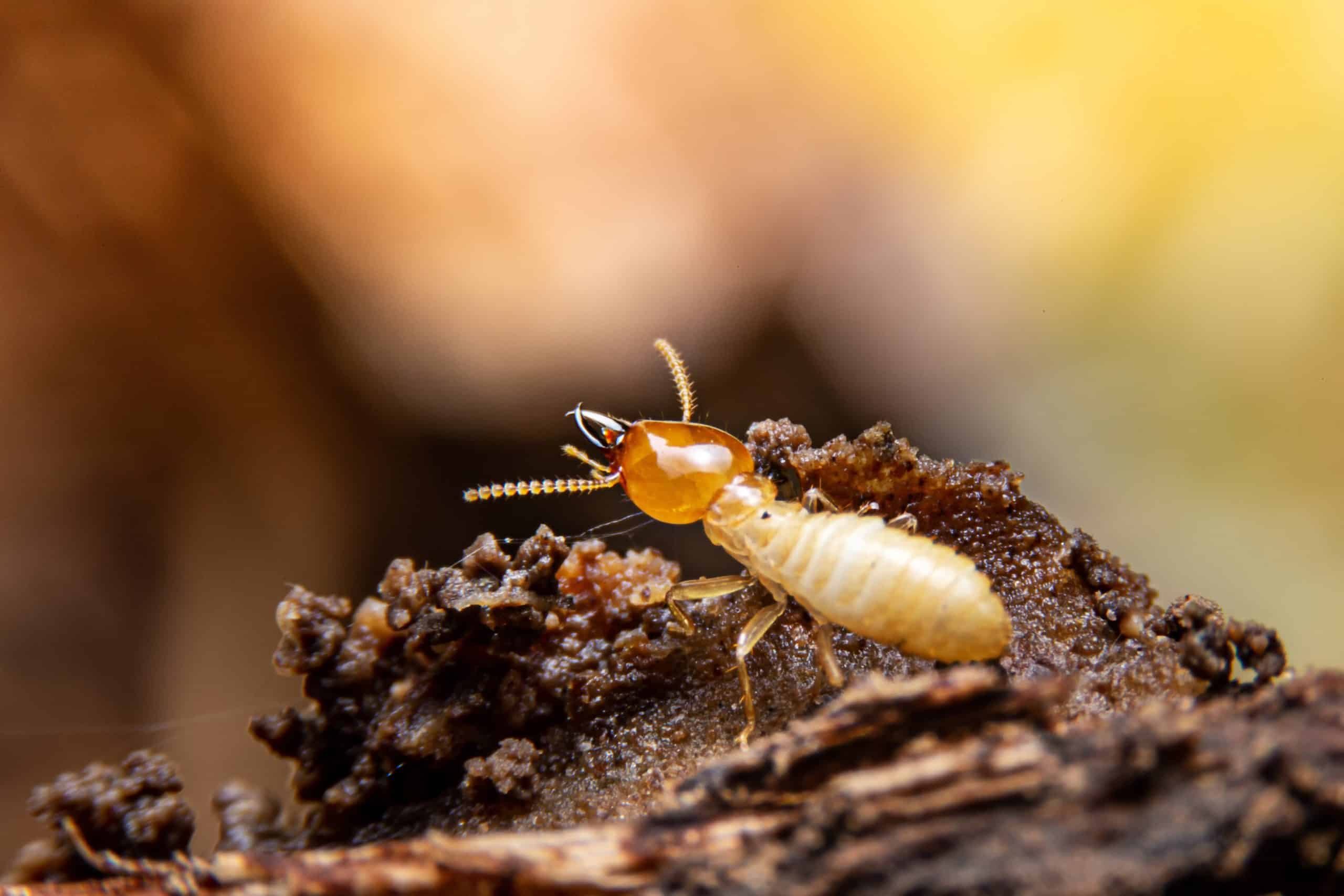
The Hidden World of Termites: Architects of the Underground

wherearewegoing.net – Termites, often mistakenly called “white ants,” are fascinating social insects that play crucial ecological roles, particularly in decomposition and nutrient cycling. While some species are considered significant pests due to their wood-destroying habits, they are an integral part of many ecosystems. This article delves into the complex world of termites, exploring their biology, life cycle, social structure, ecological significance, and interactions with humans.   

Physical Characteristics: Adapted for a Social and Subterranean Lifestyle

Termites share some similarities with ants but have distinct features:   

  • Straight Antennae: Unlike the elbowed antennae of ants, termites have straight, bead-like antennae.   
  • Broad Waist: Termites lack the narrow “waist” (petiole) that separates the thorax and abdomen in ants. Their bodies are more uniformly cylindrical.   
  • Winged Forms (Alates): Reproductive termites (alates) have two pairs of wings of equal length, which they shed after their nuptial flight.  
  • Different Castes: Termites exhibit polymorphism, meaning they have different body forms (castes) specialized for different tasks within the colony.   

Life Cycle: Incomplete Metamorphosis and Complex Social Structure

Termites undergo incomplete metamorphosis (hemimetabolism), with three distinct life stages:   

  • Egg: Termite eggs are laid by the queen in the colony’s nest.   
  • Nymph: The nymphs hatch from the eggs and undergo several molts, developing into different castes.   
  • Adult: The adult stage includes various castes: workers, soldiers, and reproductives (alates).   

Termites have a complex social structure with a division of labor among different castes:   

  • Workers: These are the most numerous caste and are responsible for foraging, nest building, and caring for the young. They are wingless and sterile.
  • Soldiers: These have large heads and powerful mandibles, used for defending the colony. They are also wingless and sterile.   
  • Reproductives (Alates): These are winged males and females that leave the colony in a nuptial flight to establish new colonies. After mating, they become the king and queen of the new colony.   

Diversity and Classification: Different Types of Termites

There are over 3,000 species of termites worldwide, classified into several families. Some major groups include:   

  • Subterranean Termites: These termites nest underground and access wood through tunnels. They are among the most destructive structural pests.   
  • Drywood Termites: These termites live within dry wood and do not require contact with the soil.   
  • Dampwood Termites: These termites infest damp or decaying wood.   

Habitat and Distribution: Primarily Tropical and Subtropical

Termites are found in a wide range of habitats, primarily in tropical and subtropical regions, but some species also occur in temperate climates.   

Feeding and Diet: Primarily Cellulose

Termites primarily feed on cellulose, which they obtain from:

  • Wood
  • Plant debris
  • Leaf litter
  • Soil organic matter   

They have symbiotic microorganisms in their guts that help them digest cellulose.   

Social Behavior: Colony Organization and Communication

Termites exhibit complex social behavior:

  • Colony Organization: Termite colonies can be highly organized, with millions of individuals working together.   
  • Communication: Termites communicate using chemical signals (pheromones), which regulate colony activities and caste differentiation.  

Ecological Roles: Decomposers and Nutrient Cyclers

Termites play crucial roles in ecosystems:   

  • Decomposition: They are important decomposers, breaking down dead wood and other plant material, releasing nutrients back into the soil.   
  • Soil Aeration: Their tunneling activities help aerate the soil.   
  • Food Source: They serve as a food source for various animals, including ants, birds, and mammals.

Termites and Humans: Structural Pests and Economic Impact

Termites can have significant negative impacts on humans:

  • Structural Damage: Subterranean termites can cause extensive damage to wooden structures, resulting in significant economic losses.   

Control and Prevention: Integrated Pest Management

Controlling termite infestations requires an integrated pest management (IPM) approach:

  • Prevention: Preventing moisture accumulation around structures, removing wood debris, and using termite-resistant construction materials.   
  • Soil Treatment: Applying termiticides to the soil around structures to create a barrier.   
  • Bait Systems: Using bait stations containing termiticides to attract and eliminate termites.   
  • Professional Inspection and Treatment: Regular inspections by pest control professionals are crucial for early detection and effective treatment.   

Conclusion: Understanding the Termite’s Complex Role

Termites are a diverse and ecologically important group of insects. While some species are considered pests, they play vital roles in decomposition and nutrient cycling. Understanding their biology, social structure, and the factors that contribute to their success can help us develop effective strategies for managing their populations and minimizing their negative impact on human structures. Their role in the ecosystem is undeniable, highlighting the importance of balance in nature.


Irina Shayk: The Russian Beauty Who Captivated the World

wherearewegoing.net – Irina Shayk, a name synonymous with beauty, elegance, and international fame, has made a significant impact on the fashion industry. Born on January 6, 1986, in Yemanzhelinsk, Russia, Irina’s journey from a small-town girl to a global supermodel is a testament to her hard work, talent, and unwavering determination.

Early Life and Modeling Career

Irina’s early life was marked by her passion for sports and fitness. She excelled in volleyball and even considered a career as a professional athlete. However, fate had other plans. At the age of 19, she participated in a beauty pageant and was discovered by a modeling agent.

Rising to Supermodel Stardom

Irina’s striking beauty, athletic physique, and confident demeanor quickly caught the attention of the fashion industry. She soon began walking the runways for renowned fashion houses like Victoria’s Secret, Givenchy, and Versace. Her breakthrough came when she was chosen to be the face of Intimissimi, a leading lingerie brand.

A Global Icon

Irina’s international fame soared when she began dating Hollywood actor Bradley Cooper. The couple welcomed a daughter together and often appeared together on red carpets and at high-profile events. Their relationship further solidified Irina’s status as a global icon.

A Philanthropic Heart

Beyond her modeling career, Irina is actively involved in various philanthropic endeavors. She supports causes like children’s health and education. Her dedication to social causes has earned her admiration and respect from her fans and peers.

A Timeless Beauty

Irina Shayk’s timeless beauty, elegant style, and confident demeanor continue to captivate the world. She remains a sought-after model and a style icon, inspiring millions with her grace and poise.

Irina’s journey is a testament to the power of hard work, dedication, and perseverance. She has broken barriers, defied stereotypes, and proven that beauty, talent, and intelligence can take one to extraordinary heights.

Macau: The Gambling Capital of the World

wherearewegoing.net – Nestled on the southeastern coast of China, Macau is a unique blend of Eastern and Western cultures, known for its stunning skyline, historic architecture, and vibrant street life. But what truly sets Macau apart is its reputation as the gambling capital of the world, a title it has held since surpassing Las Vegas in gaming revenues in 2007.

A Brief History of Gambling in Macau

Gambling has been a part of Macau’s identity for centuries. The Portuguese, who colonized Macau in the 16th century, were the first to legalize gambling in the region. Over the years, Macau’s casinos became a popular destination for high rollers from around the globe. However, it wasn’t until the late 1990s, when the government ended the gambling monopoly held by the Stanley Ho-led company, that Macau’s gaming industry exploded.

The Gaming Industry in Macau

Today, Macau boasts more than 40 casinos, many of which are owned by some of the world’s largest gaming companies. These casinos are not just gambling halls; they are massive entertainment complexes that include luxury hotels, high-end shopping, gourmet restaurants, and world-class entertainment venues. The Venetian Macao, for example, is the largest casino in the world by area, featuring a replica of the famous canals of Venice.

Economic Impact

The gambling industry is the backbone of Macau’s economy, contributing significantly to its status as one of the richest cities in the world per capita. The revenue generated from gaming supports a wide range of economic activities, from construction and retail to tourism and hospitality.

Challenges and the Future

Despite its success, Macau’s gambling industry faces challenges, including increased competition from other Asian countries looking to capitalize on the region’s appetite for gaming. Additionally, the industry is susceptible to economic downturns and fluctuations in tourist numbers.

To address these challenges, Macau is diversifying its economy by investing in non-gaming attractions such as conferences, exhibitions, and family-friendly entertainment. The goal is to create a more balanced tourism industry that can withstand economic fluctuations and continue to thrive in the future.

Conclusion

Macau’s rise to the top of the global gambling scene is a testament to its unique blend of cultural heritage and modern innovation. While the city’s economy is heavily reliant on its gaming industry, efforts to diversify are ensuring that Macau remains a must-visit destination for years to come. Whether you’re a high roller looking for the thrill of the game or a tourist seeking to immerse yourself in a rich cultural experience, Macau has something for everyone.

A Comprehensive Guide: The Fascinating World of Hamsters

wherearewegoing.net – Hamsters are small, furry rodents that have become popular pets due to their cute appearance and relatively simple care requirements. Originating from the Middle East, these nocturnal creatures are known for their distinctive pouches, which they use to carry food and nesting materials. In this article, we will explore the different types of hamsters, their care needs, and the joy they can bring to pet owners.

Understanding Hamster Species

There are several species of hamsters that are commonly kept as pets, each with its own unique characteristics and behaviors. The most popular types include:

Syrian Hamsters

Syrian hamsters, also known as teddy bear hamsters, are the largest and most common type of pet hamster. They are known for their docile nature and are generally easy to handle. Syrian hamsters come in a variety of colors and patterns and have long, silky fur.

Dwarf Hamsters

Dwarf hamsters are smaller than Syrian hamsters and are known for their playful and energetic personalities. There are several types of dwarf hamsters, including the Roborovski, Campbell’s Russian, Winter White Russian, and Chinese hamsters. Each of these species has its own distinct appearance and temperament.

Hamster Care Essentials

Caring for a hamster involves providing a suitable habitat, a balanced diet, regular exercise, and proper hygiene.

Habitat

A hamster’s habitat should be spacious, with plenty of bedding material for burrowing. It should also include a wheel for exercise, hiding places, and toys to keep the hamster entertained. The cage should be cleaned regularly to maintain a healthy environment.

Diet

Hamsters are omnivores and require a diet that includes high-quality hamster food, fresh vegetables, and occasional treats like fruits or nuts. It’s important to avoid foods that are high in sugar or fat, as these can lead to health problems.

Exercise

Regular exercise is crucial for a hamster’s physical and mental health. A hamster wheel is an excellent source of exercise, but it’s also important to provide opportunities for the hamster to explore outside of its cage under supervision.

Hygiene

Hamsters are clean animals and groom themselves regularly. However, they may require occasional baths if they are unable to keep themselves clean due to old age or illness. Owners should also trim their hamster’s nails as needed to prevent injury.

The Joy of Hamster Ownership

Hamsters can make wonderful pets for people of all ages. They are relatively low-maintenance and can provide hours of entertainment with their playful antics. Watching a hamster navigate a maze or stuff its cheeks full of food can be a source of great amusement.

Bonding with Your Hamster

Building a bond with your hamster takes time and patience. Handling your hamster gently and speaking softly can help it become accustomed to your presence. Some hamsters may even learn to take food from your hand or enjoy being gently petted.

Health Considerations

Like all pets, hamsters can face health issues. Common problems include dental issues, obesity, and diabetes. Regular check-ups with a veterinarian who is experienced with small animals can help catch and treat these problems early.

Conclusion

Hamsters are delightful little creatures that can bring joy to any home. With the right care and attention, they can be rewarding pets that provide companionship and entertainment. Whether you’re considering a Syrian hamster for its gentle nature or a dwarf hamster for its playful spirit, these small rodents are sure to capture your heart.