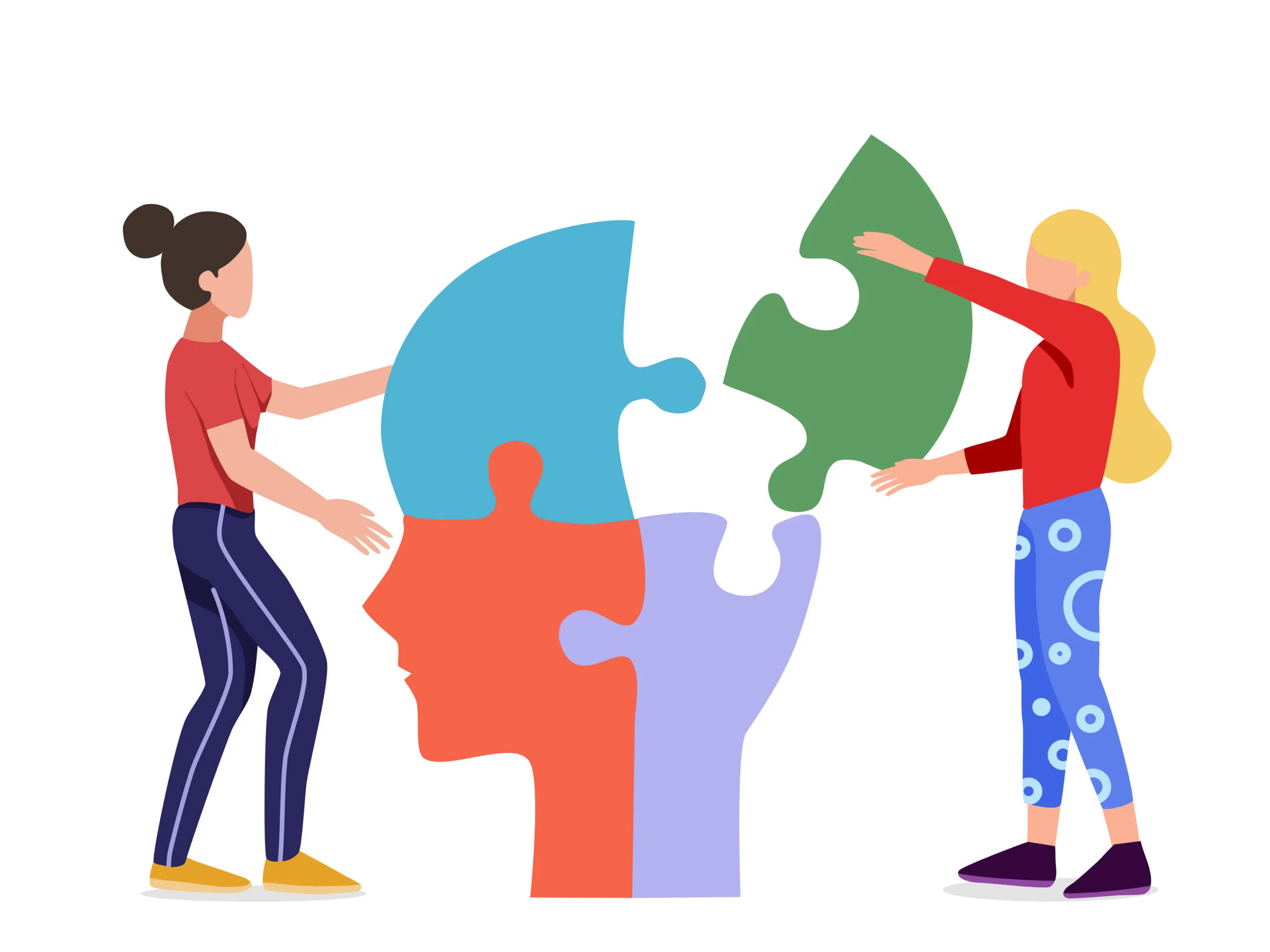
wherearewegoing.net – Generation Z, born between the mid-to-late 1990s and early 2010s, is coming of age in an era marked by rapid technological change, social upheaval, and unprecedented global challenges. One of the defining characteristics of this generation is their openness about mental health. Unlike previous generations, Gen Z is actively working to break the stigma surrounding mental health issues, leading to more open conversations and progressive attitudes.
Understanding the Mental Health Landscape for Gen Z
The Rise of Mental Health Awareness
Gen Z is more aware of mental health issues than any previous generation. They are not only more likely to discuss mental health openly but also to seek help when needed. This shift in attitude is partly due to the increased visibility of mental health topics in media, education, and social platforms. Campaigns and influencers advocating for mental health awareness have resonated deeply with Gen Z, encouraging them to prioritize their mental well-being.
Unique Stressors Faced by Gen Z
While Gen Z is making strides in mental health awareness, they also face unique stressors. The constant connectivity provided by technology can lead to information overload, cyberbullying, and the pressure of maintaining an idealized online image. Additionally, global events such as climate change, economic instability, and political turmoil weigh heavily on their minds, contributing to anxiety and stress.
Breaking the Stigma: Gen Z’s Approach
Open Conversations and Advocacy
Gen Z is using their voices to advocate for mental health awareness and destigmatization. Social media platforms have become powerful tools for sharing personal stories, offering support, and organizing advocacy campaigns. This generation values authenticity and vulnerability, often using these traits to foster supportive communities both online and offline.
Embracing Therapy and Support
Unlike previous generations, Gen Z views therapy and mental health support as essential components of self-care. They are more likely to seek therapy and use mental health apps to manage their well-being. Schools and universities are responding to this trend by expanding mental health services, offering workshops, and integrating mental health education into their curricula.
Challenges and Opportunities
Overcoming Barriers to Access
Despite the progress in breaking the stigma, barriers to accessing mental health services still exist. Financial constraints, lack of resources, and geographical limitations can prevent Gen Z from getting the help they need. Addressing these barriers requires systemic changes, such as increased funding for mental health services and policies that prioritize mental health care access.
Leveraging Technology for Mental Health
Technology presents both challenges and opportunities for Gen Z’s mental health. While excessive screen time can contribute to stress, digital tools and platforms also offer innovative ways to support mental well-being. Apps that provide mindfulness exercises, virtual therapy sessions, and peer support networks are becoming increasingly popular among Gen Z, helping them manage their mental health on their terms.
Conclusion
Generation Z is leading the charge in breaking the stigma surrounding mental health. Through open conversations, advocacy, and a willingness to seek help, they are creating a culture that prioritizes mental well-being. By addressing the challenges they face and leveraging technology effectively, we can support Gen Z in their journey towards a healthier and more inclusive future for mental health.