
Legend of the Volleyball Court: Karch Kiraly

wherearewegoing.net – In the annals of volleyball history, few names resonate with the same level of reverence and awe as Karch Kiraly. Born on November 3, 1960, in Jackson, Michigan, Kiraly’s journey to becoming a volleyball legend is a testament to his unparalleled skill, dedication, and competitive spirit. His career, spanning both indoor and beach volleyball, has left an indelible mark on the sport, earning him a place among the greatest athletes of all time.

The Early Years: A Talent Unveiled

Kiraly’s volleyball journey began in earnest during his high school years at St. Francis High School in La Cañada Flintridge, California. It was here that his exceptional talent first came to light, setting the stage for what would become an illustrious career. Kiraly’s prowess on the court was evident early on, and it wasn’t long before he was recognized as one of the most promising young talents in the sport.

College Career: A Star is Born

Kiraly’s next stop was at UCLA, where he continued to shine on the volleyball court. During his time there, he led the Bruins to three consecutive NCAA Men’s Volleyball Championships from 1979 to 1981. Kiraly’s performances were nothing short of spectacular, earning him the prestigious NCAA Player of the Year award in 1981. His collegiate career was a clear indication of the greatness that lay ahead.

Olympic Glory: A Triumphant Journey

Karch Kiraly’s Olympic journey began in 1984, when he led the United States men’s volleyball team to a gold medal at the Los Angeles Games. His performance was instrumental in securing the victory, and he quickly became a national hero. Kiraly’s Olympic success did not end there; he went on to win gold again in 1988 at the Seoul Games and in 1996 at the Atlanta Games, this time in beach volleyball. His transition from indoor to beach volleyball was seamless, showcasing his versatility and mastery of the sport.

A Legacy Beyond the Court

Karch Kiraly’s impact on volleyball extends far beyond his numerous accolades and achievements. He has been a role model for aspiring volleyball players, demonstrating the importance of hard work, dedication, and sportsmanship. Kiraly’s commitment to the sport has not waned over the years; he has continued to contribute to volleyball as a coach, sharing his wealth of knowledge and experience with the next generation of players.

Conclusion: A Volleyball Legend

Karch Kiraly’s legacy as a volleyball legend is secure. His contributions to the sport, both as a player and a coach, have left an indelible mark on volleyball. Kiraly’s career is a testament to his exceptional talent, unwavering dedication, and competitive spirit. As the sport of volleyball continues to evolve, Karch Kiraly’s influence will undoubtedly continue to inspire future generations of players, cementing his place in the annals of volleyball history as one of the greatest to ever play the game.
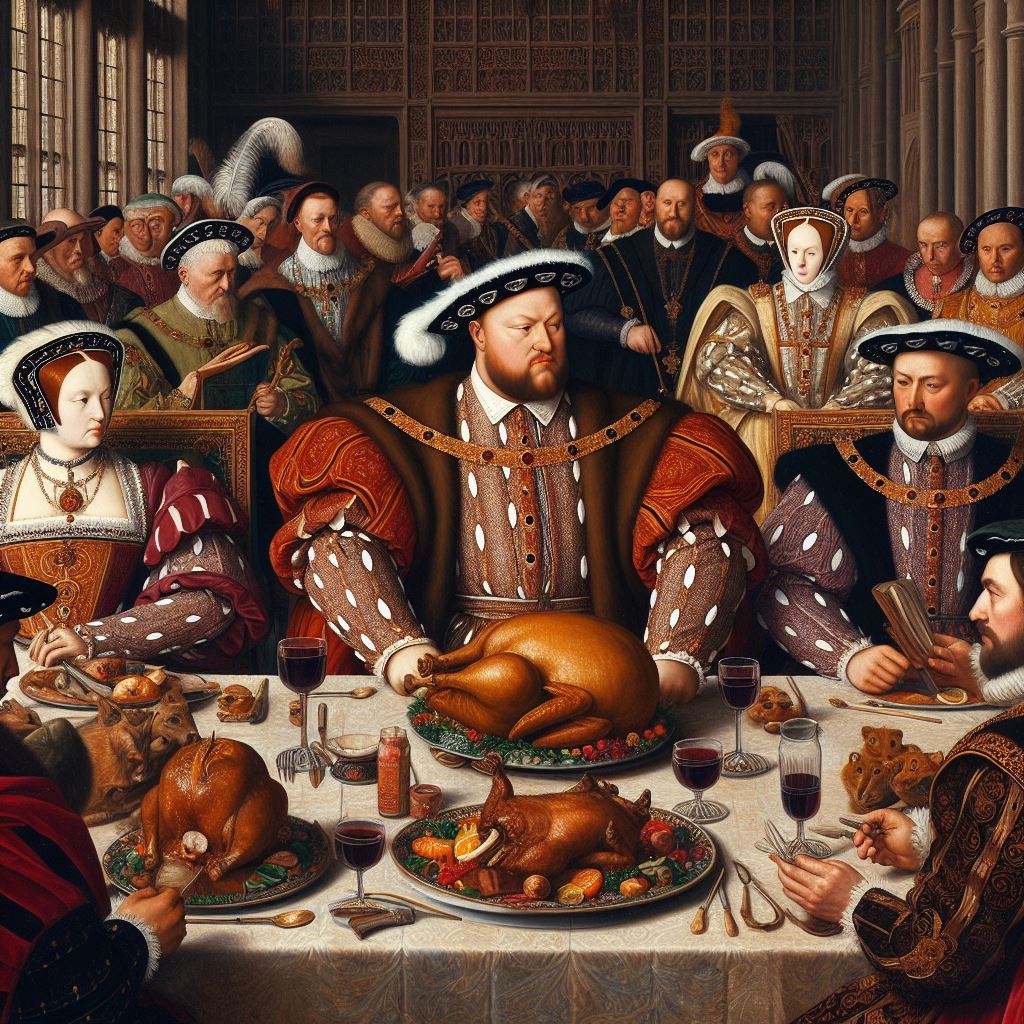
The Evolution of Royal Recipes: From Court to Kitchen

wherearewegoing.net – The culinary traditions of royal courts have long been a subject of fascination, embodying the opulence, power, and cultural heritage of empires and kingdoms. From the spice-laden banquets of medieval monarchs to the delicate pastries of 18th-century French queens, royal recipes have evolved in tandem with the shifting sands of history, reflecting the changing tastes, trade routes, and diplomatic alliances that have shaped our world. This article delves into the evolution of royal recipes, tracing their journey from court to kitchen and exploring how these once-exclusive dishes have become part of the global culinary tapestry.

The Medieval Feast: A Symphony of Spices

In the medieval period, royal recipes were characterized by their extravagant use of spices. Cinnamon, nutmeg, saffron, and pepper were among the most prized ingredients, symbols of wealth and status. These spices were used not only to flavor dishes but also to showcase the monarch’s access to distant trade routes. The royal kitchens of Europe were bustling with activity, preparing elaborate feasts that could last for days, featuring dishes like peacock pie, a spectacular dish where the bird was cooked, then its feathers reattached for a dramatic presentation.

The Renaissance: A New World of Flavors

The Renaissance brought about a revolution in royal cuisine, as explorers like Columbus and Vasco da Gama opened up new trade routes and introduced European courts to the flavors of the New World and the East Indies. Tomatoes, potatoes, chocolate, and vanilla became part of the royal pantry, transforming European cuisine. The Italian Renaissance, in particular, saw the emergence of chefs like Bartolomeo Scappi, whose “Opera” (1570) detailed the intricate dishes served at the court of Pope Pius V, reflecting the era’s fascination with culinary innovation and presentation.

The 18th Century: The Culinary Arts in Full Bloom

By the 18th century, the culinary arts had reached new heights, especially in France, where the royal court of Versailles set the standard for European high cuisine. Chefs like Marie-Antoine Carême developed elaborate sauces and pastries, establishing the foundations of modern French cuisine. The French Revolution and subsequent political upheavals led many court chefs to seek employment elsewhere, bringing their refined techniques and royal recipes to the burgeoning restaurant scene in Paris and beyond.

Victorian Era: The Global Kitchen

The Victorian era was marked by an unprecedented era of empire and exploration, and the British royal family’s culinary preferences reflected this global reach. Queen Victoria and her family enjoyed a diverse array of dishes, from Indian curries to Scottish haggis, showcasing the vast expanse of the British Empire. The royal kitchens became a melting pot of international cuisines, a trend that continues to influence royal dining to this day.

Modern Royals: Tradition Meets Innovation

Today, royal recipes have evolved to reflect a more democratic and health-conscious approach to dining. Members of modern royal families are often seen promoting local, organic, and sustainable food practices. For example, the Duchess of Cambridge has been involved in various initiatives to support children’s health and nutrition, while the Danish royal family has highlighted the importance of locally sourced ingredients.

Despite these modern influences, there remains a deep respect for tradition within royal kitchens. Special occasions and state banquets still feature dishes that hark back to the grandeur of bygone eras, albeit with contemporary twists. The evolution of royal recipes is a testament to the enduring appeal of culinary heritage, as well as the royal family’s ability to adapt to changing times.

Conclusion

From the spice-laden dishes of medieval banquets to the innovative creations of modern royal chefs, the evolution of royal recipes is a rich tapestry woven from the threads of history, culture, and culinary artistry. These recipes, once the exclusive domain of kings and queens, have now found their way into the hearts and kitchens of people around the world, offering a taste of royalty to all who seek it. As we continue to explore and reinterpret these timeless dishes, we are reminded of the enduring power of food to connect us across time and space, from court to kitchen.