
Understanding “Teeth Kid”: A Guide for Parents

wherearewegoing.net – As a parent, you might have stumbled upon the term “teeth kid” and wondered what it refers to. In essence, it describes the various stages and experiences children go through concerning their dental health. This article aims to provide you with a comprehensive understanding of what to expect as your child develops their teeth, along with tips for ensuring healthy dental habits.

The Stages of Dental Development

1. Teething in Infancy

Teething typically begins around six months of age, though it can start as early as three months or as late as twelve months. During this phase, infants may experience discomfort, drooling, and a tendency to chew on objects. Parents can help soothe their child by providing teething rings or gently massaging their gums.

2. The Appearance of Baby Teeth

By the age of three, most children will have a full set of 20 baby teeth. These teeth are crucial for developing proper chewing and speaking skills. It’s important to start brushing your child’s teeth as soon as they appear, using a small, soft-bristled toothbrush and a smear of fluoride toothpaste.

The Importance of Establishing Good Dental Habits

1. Regular Brushing and Flossing

Encouraging your child to brush their teeth twice a day and floss daily can help prevent cavities and gum disease. Make brushing fun by using toothbrushes with their favorite characters or playing a short song while they brush.

2. Routine Dental Check-Ups

Scheduling regular dental visits from an early age is essential. Dentists can monitor your child’s oral health, offer preventive care, and provide guidance on proper dental hygiene.

Common Dental Issues in Children

1. Tooth Decay

Tooth decay is one of the most common chronic conditions in children. Limiting sugary snacks and drinks, along with maintaining good oral hygiene, can help prevent cavities.

2. Orthodontic Concerns

As permanent teeth begin to replace baby teeth, some children may require orthodontic evaluation. Early intervention can address issues like overcrowding or misalignment.

Conclusion

Navigating the “teeth kid” phase involves understanding the stages of dental development and establishing healthy habits early on. By prioritizing your child’s oral health, you set the foundation for a lifetime of healthy smiles. Remember to consult with a pediatric dentist for personalized advice and care tailored to your child’s needs.
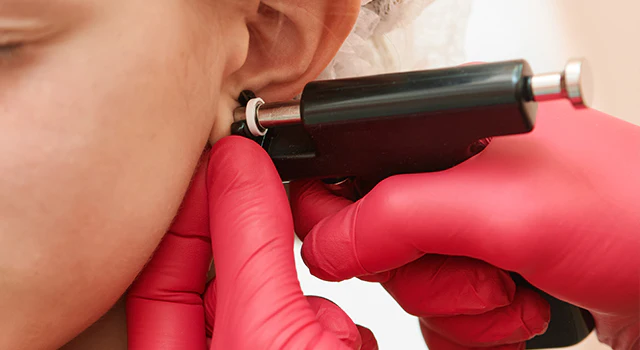

Safe Piercing Practices: Understanding the Risks

wherearewegoing.net – Body piercing is a popular form of self-expression, embraced by many as a way to enhance their appearance and convey their individuality. However, like any form of body modification, it comes with potential risks. Understanding these risks and following safe piercing practices is crucial to ensure a healthy and successful piercing experience. This article explores the common risks associated with body piercing and offers guidelines for maintaining safety and hygiene.

Common Risks of Body Piercing

While body piercing is generally safe when performed by a professional, there are several potential risks to be aware of:

  1. Infection: One of the most common complications, infections can occur if proper hygiene is not maintained during and after the piercing process. Bacteria can enter the piercing site, leading to redness, swelling, and discharge.
  2. Allergic Reactions: Some individuals may experience allergic reactions to certain metals used in piercing jewelry, particularly nickel. This can cause itching, redness, and discomfort around the piercing site.
  3. Scarring and Keloids: Improper care or trauma to the piercing can lead to scarring or the formation of keloids, which are raised, thickened areas of skin.
  4. Migration and Rejection: Piercings can sometimes move from their original position (migration) or be pushed out of the body entirely (rejection), often due to inadequate jewelry size or placement.
  5. Nerve Damage: If a piercing is placed incorrectly, it can potentially damage nerves, leading to numbness or a loss of sensation in the area.

Safe Piercing Practices

To minimize these risks, it is essential to follow safe piercing practices:

  1. Choose a Professional Piercer: Always select a reputable piercing studio with experienced professionals. Ensure that the piercer uses sterilized equipment and maintains a clean working environment.
  2. Use Hypoallergenic Jewelry: Opt for jewelry made from hypoallergenic materials such as surgical steel, titanium, or gold to reduce the risk of allergic reactions.
  3. Follow Aftercare Instructions: Proper aftercare is crucial for healing. Clean the piercing site regularly with saline solution and avoid touching it with unwashed hands. Follow any additional aftercare guidelines provided by your piercer.
  4. Avoid Submersion in Water: For the first few weeks, avoid submerging your piercing in bodies of water such as pools, hot tubs, and lakes, as these can introduce bacteria.
  5. Monitor for Signs of Infection: Keep an eye out for signs of infection, such as excessive redness, swelling, or pus. If you suspect an infection, seek medical advice promptly.
  6. Be Patient with Healing: Healing times vary depending on the location of the piercing. Be patient and avoid changing jewelry prematurely, as this can disrupt the healing process.

Conclusion

Understanding the risks associated with body piercing and adhering to safe practices can help ensure a positive experience. By choosing a qualified professional, selecting appropriate jewelry, and practicing diligent aftercare, you can enjoy your piercings with minimal complications. Remember, body piercing is not just an art form but also a responsibility to your health and well-being.

Understanding Continuations in Scheme Programming

wherearewegoing.net – Continuations are a powerful feature in Scheme programming that allow for dynamic control flow, enabling the programmer to manipulate the execution of a program in ways that are not possible in many other programming languages. This article aims to provide a comprehensive understanding of continuations in Scheme, including their basic concepts, usage, and practical applications.

What are Continuations?

A continuation in Scheme is a representation of the rest of the computation from the current point in the program. It encapsulates the remaining computation that would be performed after the current function returns. This concept is fundamental in Scheme because it allows for non-local control flow, which is not typically available in other programming paradigms.

Practical Usage

Continuations are used in various scenarios where dynamic control flow is necessary. Here are a few examples:

  1. Exception Handling: Continuations can be used to implement exception handling mechanisms that are more flexible than traditional try-catch blocks. By capturing the continuation before a potentially error-prone operation, the program can jump to a recovery point if an error occurs.
  2. Coroutines: Continuations can be used to implement coroutines, which are a form of cooperative multitasking. By capturing and resuming continuations, coroutines can yield control to other coroutines and then later resume their execution.
  3. Delimited Continuations: A more restricted form of continuations, delimited continuations, allow for control flow to be managed within a specific scope. This is useful in situations where only a portion of the program’s state needs to be captured and resumed.

Conclusion

Continuations are a powerful tool in Scheme programming that allow for dynamic control flow and can be used to implement complex control structures and algorithms. While they can be challenging to understand and use, the flexibility they provide can lead to elegant and efficient solutions to programming problems. By mastering continuations, programmers can leverage the full potential of Scheme’s expressive power.