Challenges and Opportunities: Burkina Faso’s Economy

wherearewegoing.net – Burkina Faso, a landlocked country in West Africa, faces a unique set of economic challenges and opportunities. Its economy, traditionally based on agriculture, has been diversifying into mining and services. However, the country must navigate issues such as political instability, environmental constraints, and regional security threats. This article explores the key challenges and opportunities that shape Burkina Faso’s economic landscape.

Economic Overview

Burkina Faso’s economy is predominantly agrarian, with a significant portion of the population engaged in subsistence farming. Cotton is a major export, contributing significantly to the country’s foreign exchange earnings. In recent years, the mining sector, particularly gold, has emerged as a key driver of economic growth. The service sector, including telecommunications and finance, is also expanding.

Challenges

1. Landlocked Status

Being landlocked poses significant logistical and financial challenges for Burkina Faso’s trade. The country relies on neighboring countries for access to ports, which increases the cost of importing and exporting goods.

2. Political Instability

Periodic political unrest and coups have disrupted economic activities and deterred foreign investment. Political stability is crucial for sustained economic growth and development.

3. Environmental Constraints

Droughts and desertification threaten agricultural productivity, which is the backbone of the economy. Climate change further exacerbates these challenges, necessitating sustainable land management practices.

4. Security Threats

Regional security issues, including terrorism and cross-border conflicts, impact trade routes and economic activities. Ensuring security is vital for economic stability and growth.

Opportunities

1. Mining Sector

The mining sector, particularly gold, presents a significant opportunity for economic diversification and growth. Investments in this sector can boost employment and government revenues.

2. Agricultural Diversification

Diversifying the agricultural sector beyond cotton can reduce vulnerability to market fluctuations and environmental challenges. Investing in irrigation, improved seeds, and agricultural technology can enhance productivity.

3. Regional Trade Agreements

Participation in regional trade agreements, such as the Economic Community of West African States (ECOWAS), can facilitate market access and reduce trade barriers. Strengthening regional ties can also enhance security and stability.

4. Renewable Energy

Burkina Faso has substantial solar energy potential. Investing in renewable energy can reduce dependence on imported fossil fuels, lower electricity costs, and attract green investments.

Conclusion

Burkina Faso’s economy is at a crossroads, with significant challenges and opportunities. Addressing political instability, environmental constraints, and security threats is crucial for creating a stable environment for economic activities. Leveraging the mining sector, diversifying agriculture, engaging in regional trade, and investing in renewable energy can drive sustainable economic growth. With strategic planning and international cooperation, Burkina Faso can overcome its challenges and seize the opportunities for a prosperous future.
The Impact of Oil Prices on Venezuela’s Economy in 2024

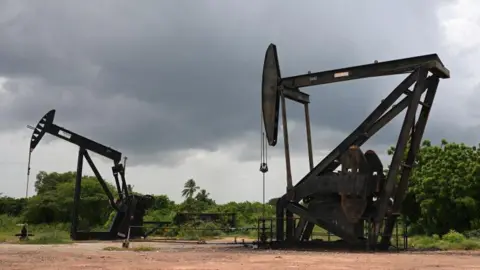
wherearewegoing.net – In 2024, Venezuela’s economy continues to be heavily influenced by the global oil market. As an oil-dependent nation, fluctuations in oil prices have a profound impact on its economic stability, fiscal revenue, and overall growth prospects. This article explores the multifaceted effects of oil price changes on Venezuela’s economy, highlighting both the challenges and opportunities presented.

The Correlation Between Oil Prices and Venezuela’s Economy

Venezuela’s economy is intricately linked to the global oil market, with oil exports accounting for a significant portion of its revenue. The country’s budget is largely dependent on oil sales, making it vulnerable to price volatility. In 2024, the correlation between oil prices and Venezuela’s economic performance remains strong, with higher oil prices generally leading to increased government revenue and economic stability.

Positive Impact of Rising Oil Prices

When oil prices rise, Venezuela experiences several positive economic effects. Higher oil revenues enable the government to increase its spending on social programs, infrastructure, and public services. This increased spending can stimulate economic growth, reduce unemployment, and improve living standards. In 2024, periods of rising oil prices have provided a much-needed boost to Venezuela’s economy, helping to alleviate some of the pressures caused by years of economic turmoil.

Challenges Posed by Falling Oil Prices

Conversely, falling oil prices pose significant challenges to Venezuela’s economy. Reduced oil revenues lead to budget deficits, forcing the government to cut spending or seek alternative financing, often at high costs. This can result in reduced public services, increased unemployment, and a decline in living standards. In 2024, periods of low oil prices have exacerbated Venezuela’s economic difficulties, highlighting the urgent need for economic diversification and fiscal reform.

Efforts Towards Economic Diversification

Recognizing the risks associated with oil dependency, Venezuela has begun to explore strategies for economic diversification. The government has initiated programs to boost non-oil sectors such as agriculture, manufacturing, and tourism. These efforts are crucial for reducing the economy’s vulnerability to oil price fluctuations and creating a more sustainable growth model. In 2024, progress in economic diversification has been slow but steady, with some sectors showing promising signs of growth.

The Role of International Relations

Venezuela’s economic recovery also hinges on its ability to navigate international relations. Strategic partnerships with countries like China and Russia have provided critical support in the form of investment and trade agreements. These relationships can help stabilize the economy by providing alternative sources of revenue and reducing dependence on oil exports. In 2024, strengthening these international ties remains a priority for Venezuela’s economic recovery.

Conclusion

The impact of oil prices on Venezuela’s economy in 2024 is both significant and multifaceted. While rising oil prices offer opportunities for economic growth and stability, falling prices pose considerable challenges. The path to long-term economic recovery requires not only favorable oil market conditions but also sustained efforts in economic diversification, fiscal reform, and strengthening international relations. As Venezuela navigates these complexities, the global community plays a crucial role in supporting its journey towards sustainable economic development.