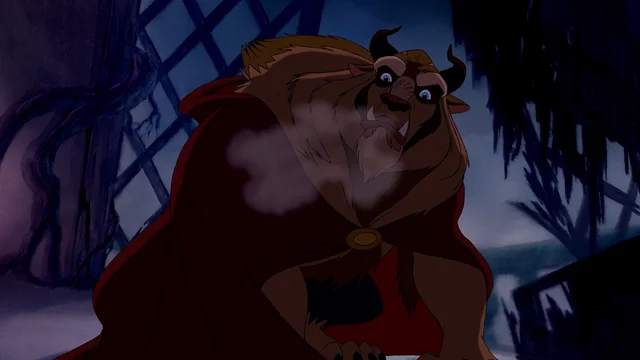
The Beast: The Enchanted Prince – Origins and Curse

wherearewegoing.net – The Beast, a character rooted in the classic fairy tale “Beauty and the Beast,” embodies the transformative power of love and redemption. Known as “The Enchanted Prince,” the Beast’s story is one of personal growth and the breaking of a powerful curse. Through the ages, this tale has captured the imaginations of audiences worldwide, offering timeless lessons on inner beauty and the importance of compassion.

Origins and Curse

The tale of the Beast originates from the 18th-century French fairy tale written by Gabrielle-Suzanne Barbot de Villeneuve and later abridged by Jeanne-Marie Leprince de Beaumont. The story begins with a handsome prince who, due to his arrogance and lack of compassion, is cursed by an enchantress. Transformed into a monstrous beast, he is doomed to remain so until he learns to love another and earn their love in return, despite his fearsome appearance.

Life in the Enchanted Castle

The Beast resides in an enchanted castle, isolated from the world and surrounded by magical objects that once were his loyal servants. This setting reflects his internal struggle and the loneliness that accompanies his monstrous form. The castle itself, with its grandeur and enchantments, symbolizes the dual nature of the Beast—both majestic and tragic.

Meeting Belle

The turning point in the Beast’s story comes with the arrival of Belle, a young woman who becomes his prisoner in exchange for her father’s freedom. Belle’s intelligence, kindness, and courage challenge the Beast to confront his own nature. Her presence in the castle initiates a transformation, as Belle sees beyond the Beast’s exterior to the prince within.

Transformation and Redemption

The relationship between Belle and the Beast evolves from one of fear and misunderstanding to friendship and love. Through Belle’s influence, the Beast learns empathy, kindness, and selflessness. The curse is eventually broken when Belle confesses her love for the Beast, restoring him to his human form. This transformation is not only physical but also symbolic of the Beast’s inner growth and redemption.

Themes and Lessons

At its heart, the story of the Beast is a tale of redemption and the power of love to transcend superficial appearances. It emphasizes the importance of looking beyond the surface to understand the true nature of a person. The Beast’s journey from a cursed prince to a loving partner teaches valuable lessons about humility, compassion, and the transformative power of genuine love.

Cultural Impact

The story of the Beast has been adapted into numerous films, stage productions, and other media, with Disney’s 1991 animated film being one of the most popular renditions. These adaptations have brought the tale to new generations, each adding unique interpretations while maintaining the core themes of love and transformation.

Conclusion

The Beast, “The Enchanted Prince,” remains a beloved and enduring character in literature and popular culture. His story resonates with audiences because it speaks to the universal human experiences of growth, forgiveness, and the quest for love. Through the Beast’s journey, we are reminded that true beauty lies within and that love has the power to heal and transform even the most hardened hearts.
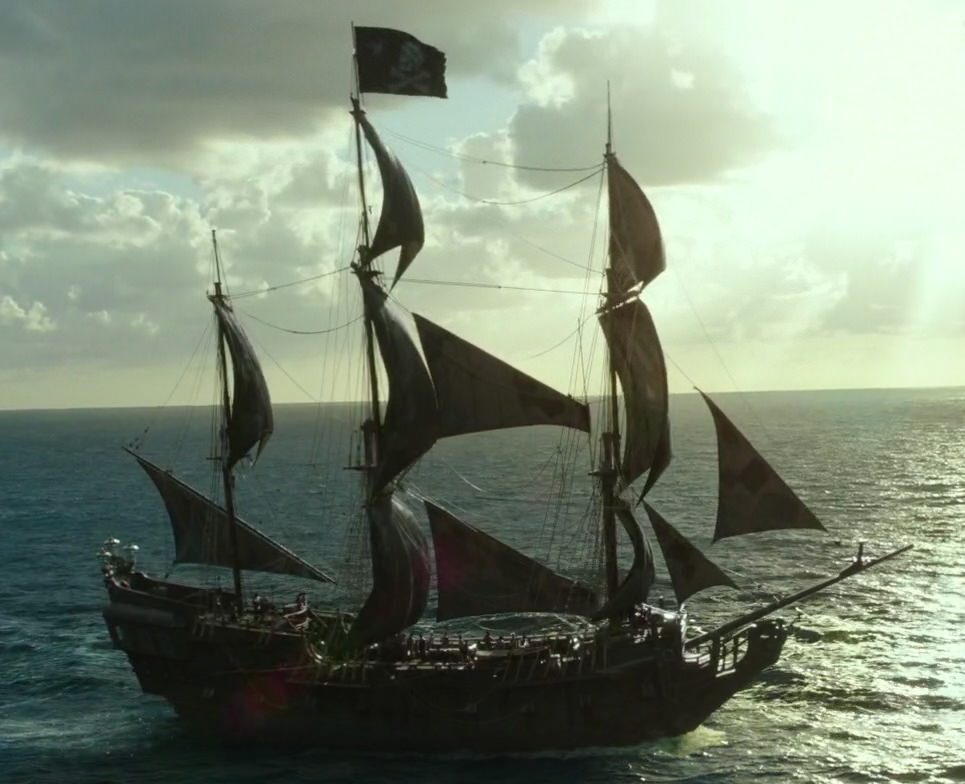
Tale: The Curse of the Black Pearl

In the pantheon of swashbuckling tales that have captivated audiences for generations, “The Curse of the Black Pearl” stands out as a modern classic. Released in 2003, this film is the first installment in the “Pirates of the Caribbean” series, a franchise that has since become synonymous with high-seas adventure, humor, and a touch of the supernatural. Directed by Gore Verbinski and based on a Disney theme park ride of the same name, “The Curse of the Black Pearl” introduced the world to Captain Jack Sparrow, a character that would become an icon of cinema, portrayed with unparalleled charisma by Johnny Depp.

The story unfolds in the early 18th century Caribbean, a time and place rife with piracy, colonial ambition, and the supernatural. The film follows Elizabeth Swann (Keira Knightley) and Will Turner (Orlando Bloom), a young couple whose lives are thrown into turmoil when a cursed pirate ship, the Black Pearl, attacks their home. The ship is captained by the ruthless Hector Barbossa (Geoffrey Rush), who, along with his crew, is searching for the Aztec gold that cursed them, turning them into undead beings. The only way to lift the curse is to return every piece of the gold and the blood of the man who originally stole it: Captain Jack Sparrow.

Enter Johnny Depp’s portrayal of Sparrow, a role that defied expectations and became a defining performance of his career. Depp’s Sparrow is a departure from the traditional pirate archetype, blending elements of Keith Richards’ mannerisms with his own unique flair. Sparrow is equal parts coward and hero, a trickster who often finds himself in situations beyond his control but always manages to come out on top, thanks to his wit and unconventional approach to piracy.

“The Curse of the Black Pearl” is a masterful blend of action, comedy, and fantasy. The film’s success lies not only in its entertaining plot but also in its richly developed characters and the chemistry between its cast. The dynamic between Sparrow, Swann, and Turner is the heart of the film, providing both humor and emotional depth. The film’s special effects, particularly the depiction of the cursed pirates, were groundbreaking at the time and have aged remarkably well, contributing to the film’s timeless appeal.

The film’s setting is as much a character as the people who inhabit it. The Caribbean Sea, with its vast blue waters and hidden coves, serves as the perfect backdrop for pirate adventures. The production design and costume design are meticulous, immersing the audience in the world of pirates, naval officers, and colonial society.

“The Curse of the Black Pearl” was a commercial and critical success, reviving the pirate genre and setting the stage for a series of sequels. It received praise for its originality, performances, and visual effects, earning numerous awards and nominations, including three Academy Awards.

Beyond its entertainment value, “The Curse of the Black Pearl” has had a lasting impact on popular culture. It has inspired a range of merchandise, video games, and theme park attractions, cementing its place in the annals of cinematic history. The film’s legacy is a testament to the enduring appeal of pirate stories and the timeless themes of adventure, romance, and the quest for redemption.

In conclusion, “The Curse of the Black Pearl” is more than just a film; it is a grand adventure that captures the imagination and spirit of piracy in a way that is both fresh and nostalgic. It reminds us of the allure of the unknown, the thrill of the chase, and the power of stories that sail the seas of our collective consciousness.